May 15, 2026
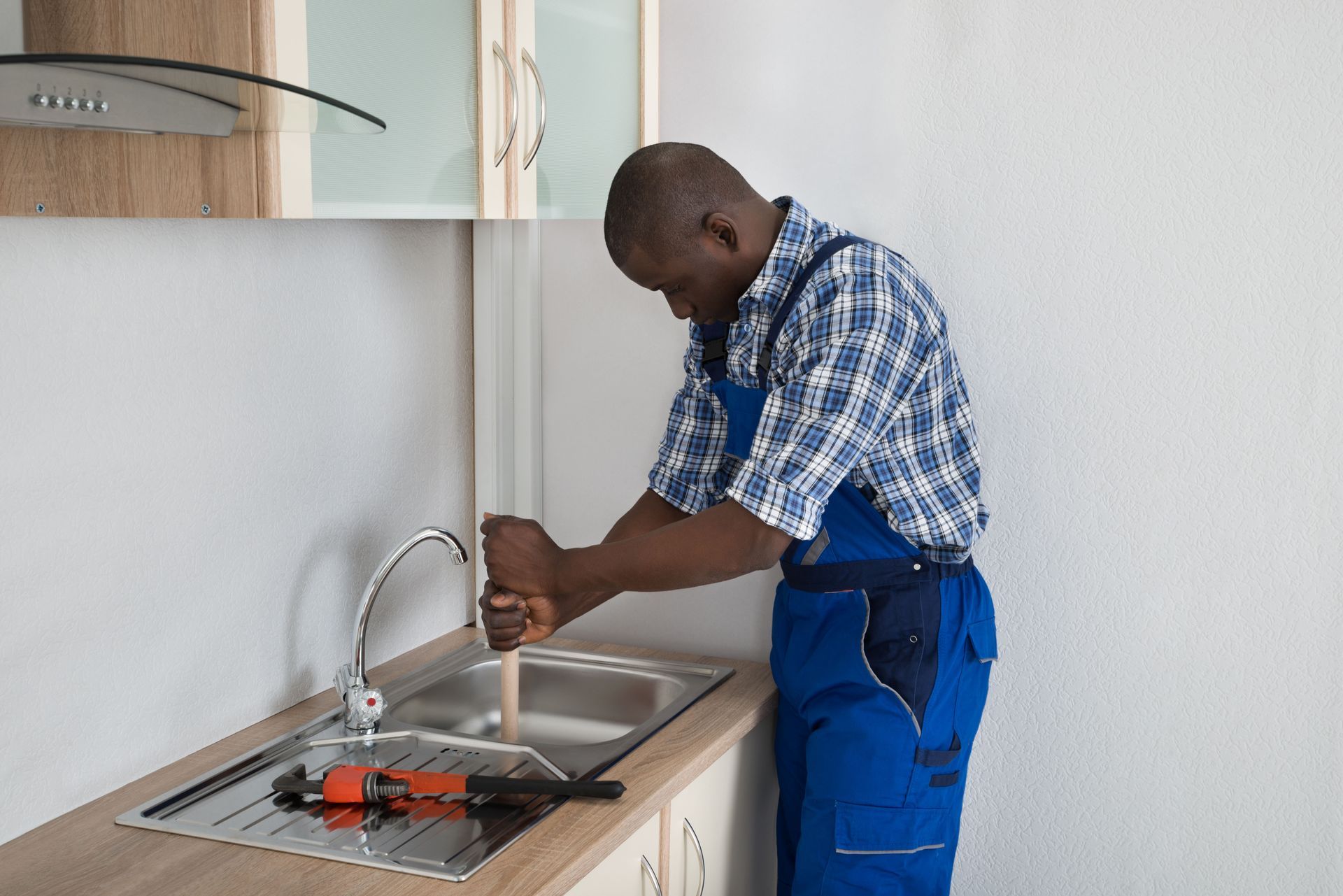
The convenience of a modern home is often measured by the things we don't have to think about. We flip a switch, and the lights come on; we turn a dial, and the room warms up; we pull a plug, and the water disappears. But when that water lingers, swirling lazily around a basin filled with soap scum and hair, the convenience vanishes. In a moment of frustration, most homeowners reach for the easiest, cheapest solution sitting on the shelf of their local hardware store: the plastic bottle of chemical drain cleaner. It promises a "professional-grade" fix in minutes, shimmering with the allure of a DIY victory.
However, the reality behind these caustic concoctions is far more damaging than the advertisements suggest. While they may offer a fleeting sense of relief, the long-term consequences for your plumbing, your health, and the environment are substantial. Understanding the truth about these chemicals is the first step in moving toward sustainable, effective drain cleaning practices that protect your home's most vital infrastructure.
Analyzing the Corrosive Nature of Chemical Solutions
To understand why chemical cleaners are problematic, one must first understand how they work. Most over-the-counter products fall into three categories: caustic, oxidizing, or acid-based. Caustic cleaners usually contain sodium hydroxide (lye) or potassium hydroxide. They work by converting grease into a soap-like substance through a process called saponification. Oxidizing cleaners use bleach or peroxides to break down organic matter, while acid cleaners—often restricted to professional use but sometimes found by consumers—use sulfuric or hydrochloric acid to dissolve tough clogs.
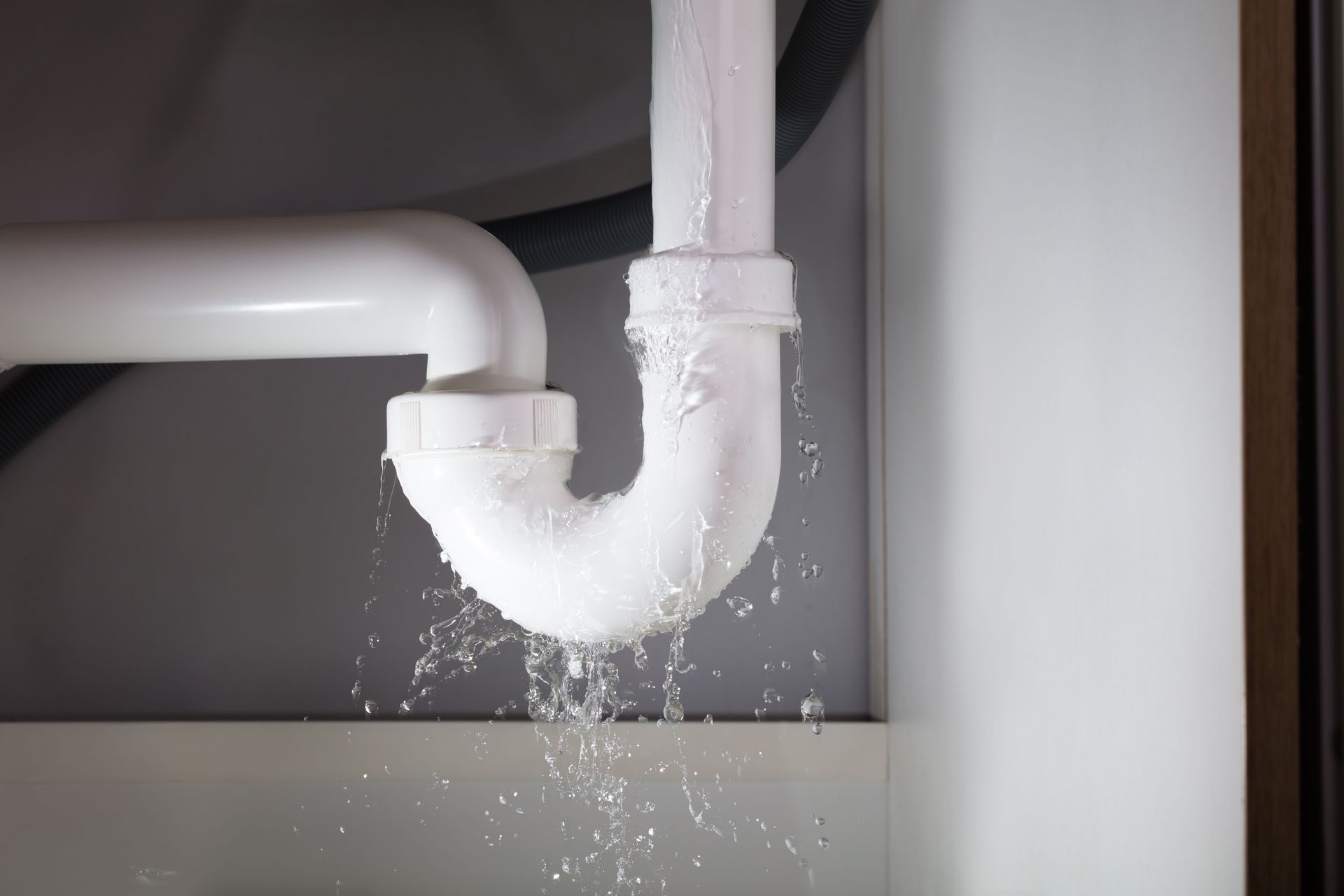
The fundamental issue is that these chemicals do not differentiate between the "clog" and the "pipe." When you pour a caustic liquid down a slow-moving drain, it sits in the trap, generating intense heat through an exothermic reaction. This heat is designed to melt grease, but it can also soften PVC pipes, warp plastic components, and cause older metal pipes to corrode from the inside out. If the clog is stubborn and the chemical sits for an extended period, it eats away at the integrity of the plumbing system. This often leads to pinhole leaks that occur behind walls or under floors, turning a simple blockage into a structural nightmare.
Evaluating the Inefficiency of Superficial Clog Removal
The primary appeal of a bottled cleaner is the "quick fix," but these products rarely provide a thorough cleaning. When a chemical agent meets a dense obstruction—such as a large mass of hair or a thick "fatberg" of solidified grease—it typically only eats a small hole through the center of the mass. This allows the standing water to recede, giving the homeowner the illusion that the problem is solved. In reality, the bulk of the debris remains attached to the pipe walls.
Because the pipe is still restricted, new debris catches on the remaining residue almost immediately. This creates a cycle of recurring blockages. Furthermore, chemical cleaners are completely ineffective against non-organic obstructions. If a child's toy, a jewelry item, or a heavy build-up of mineral scale is causing the issue, the chemicals will simply pool on top of the object, creating a toxic puddle that does nothing to resolve the backup. True drain cleaning requires the physical removal of the entire obstruction, something a liquid poured from a bottle simply cannot achieve.
Considering the Negative Impact on Environmental Health
Once those chemicals leave your pipes, they don't simply vanish. They enter the larger water system, and their journey can be devastating to the environment. For homes on septic systems, chemical cleaners are particularly catastrophic. A septic tank relies on a delicate balance of "good" bacteria to break down waste. A single bottle of heavy-duty caustic cleaner can kill those bacteria instantly, causing the entire system to fail and potentially leading to a backup of raw sewage into the home.
Even for homes on municipal sewer lines, these chemicals eventually reach water treatment plants or local waterways. While treatment plants do their best to filter out toxins, some chemicals persist, contributing to the acidification of water bodies and harming aquatic life. Fish and plants are highly sensitive to pH shifts, and the introduction of concentrated sodium hydroxide or sulfuric acid into the ecosystem is a high price to pay for a cleared kitchen sink. Sustainable drain cleaning methods, such as hydro-jetting or mechanical snaking, provide a much cleaner alternative for the planet.
Identifying the True Causes of Plumbing Emergencies
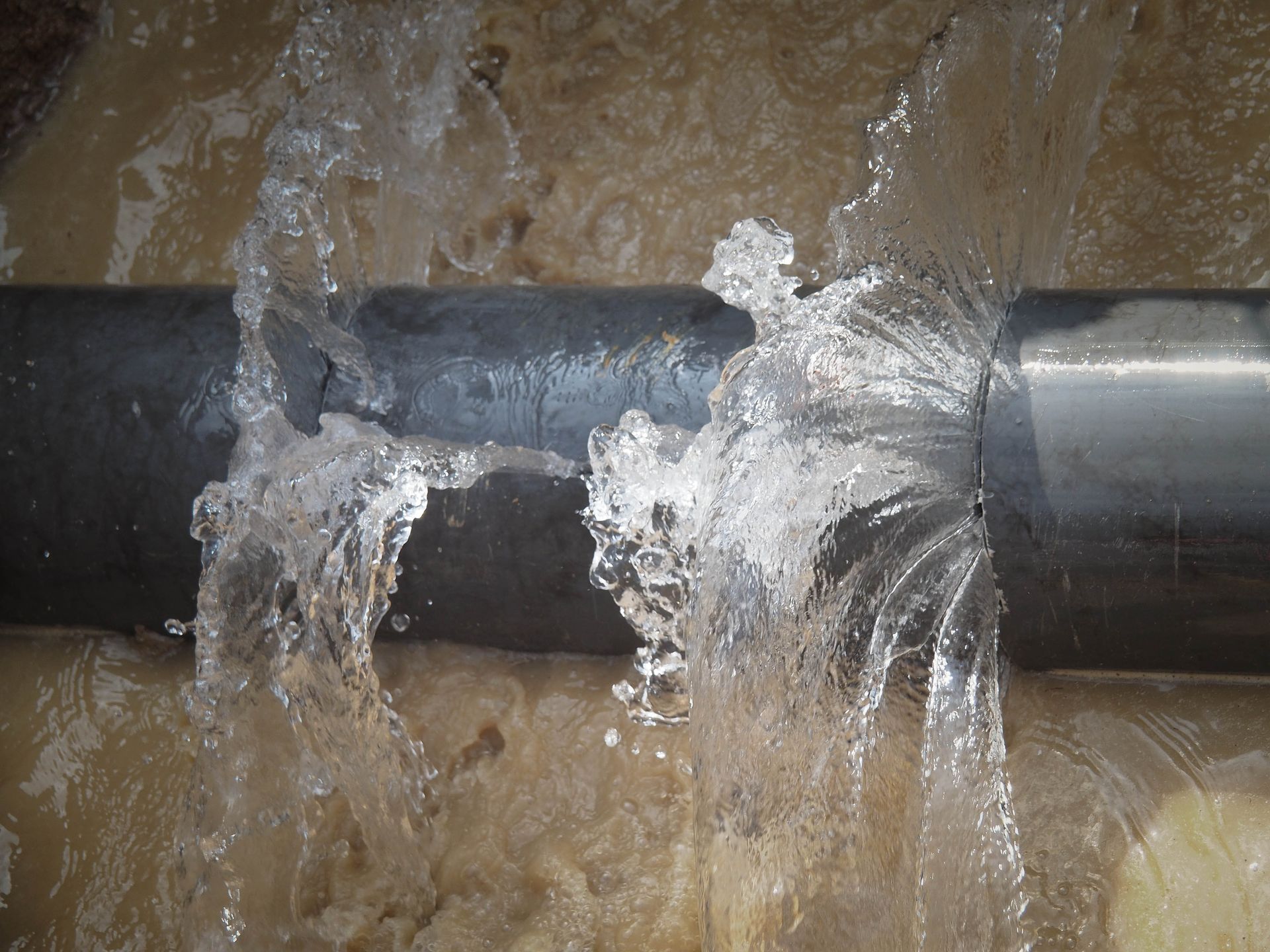
It is easy to view a clogged drain as a minor inconvenience, but the statistics suggest otherwise. According to Gitnux, issues involving sewer lines or blocked drains represent approximately 60% of all emergency plumbing requests. This staggering figure highlights the fact that what starts as a "slow drain" often escalates into a full-blown crisis. When these emergencies happen, they often involve burst pipes or sewage backflow—scenarios that a bottle of chemicals could never prevent and likely made worse by weakening the pipes beforehand.
These emergencies often occur because the root cause of the clog is deeper than the household trap. Tree roots can infiltrate sewer lines, or the ground may have shifted, causing a pipe to belly or crack. In these instances, pouring chemicals down the drain is like putting a bandage on a broken limb. It ignores the structural failure and allows the problem to fester until the 60% statistic becomes a reality for your household. Only a professional inspection can determine if your "clog" is actually a warning sign of an impending system failure.
Prioritizing Professional Expertise for Long-Term Solutions
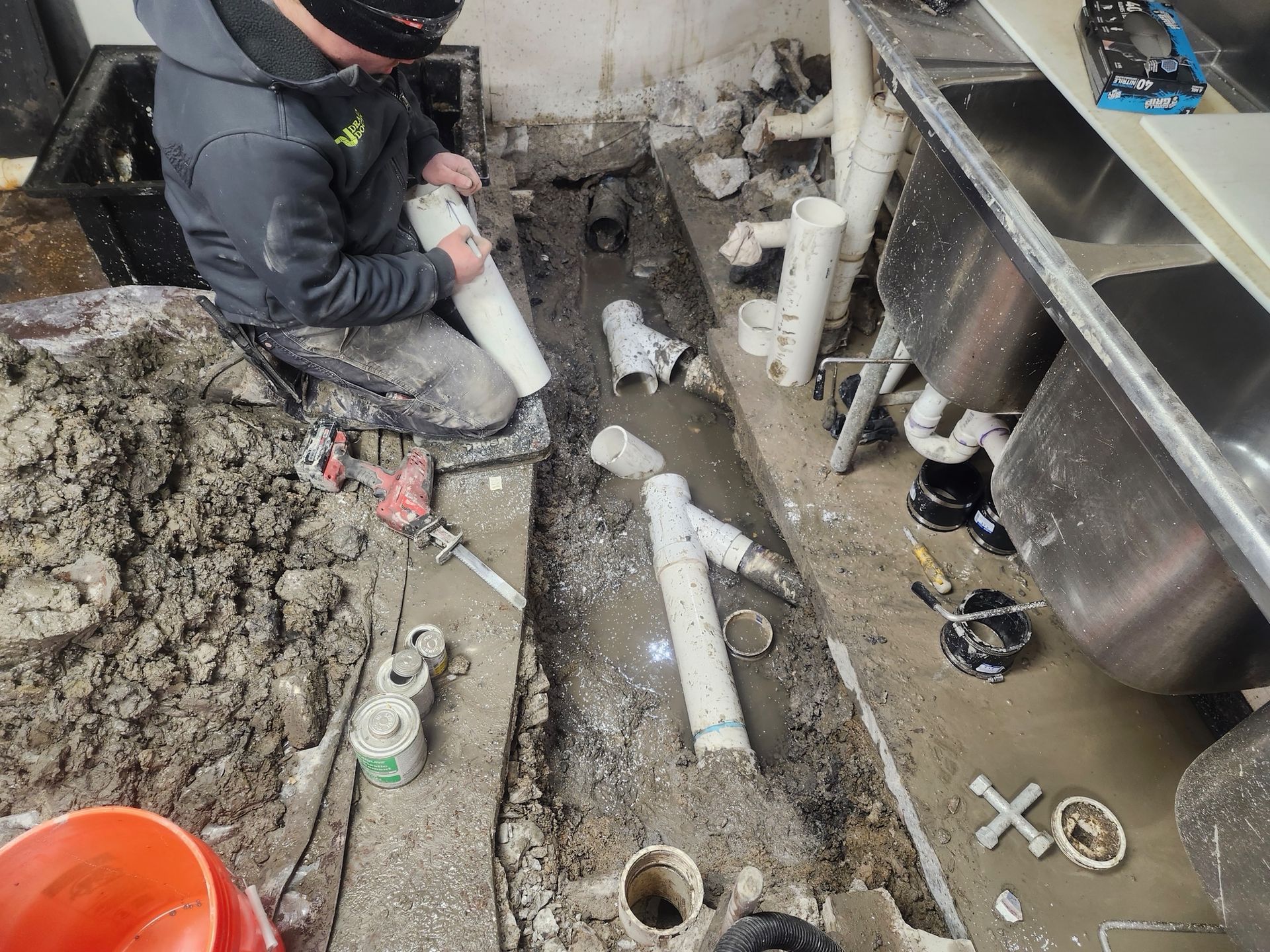
The most effective way to maintain a healthy plumbing system is to move away from the "bottle-first" mentality and prioritize professional intervention. A licensed plumber doesn't just clear a drain; they diagnose the system. Using advanced technology like sewer cameras, professionals can see exactly what is causing the blockage. This allows for targeted drain cleaning that addresses the specific problem without damaging the surrounding infrastructure.
Professional tools like high-pressure hydro-jetters use nothing but water to scrub the interior of pipes, removing years of grease build-up and scale without the use of toxic chemicals. This process restores the pipe to its original diameter, making future clogs much less likely. By choosing professional drain cleaning, you are investing in the longevity of your home. You avoid the "corrosion tax" that chemicals levy on your pipes and ensure that your plumbing remains reliable for decades rather than just days.
Understanding the Financial Benefits of Proper Maintenance
Many people reach for chemical cleaners because they are cheap. However, this is a classic example of being "penny wise and pound foolish." The cost of replacing a collapsed PVC line or a corroded copper pipe under a concrete slab can run into the thousands of dollars, in our experience. When you factor in the potential for water damage, mold remediation, and the emergency fees associated with that 60% of plumbing crises, the "cheap" bottle of cleaner becomes the most expensive item in your home.
Scheduling regular, professional drain cleaning as part of your home's preventative maintenance is far more cost-effective. It allows you to catch small issues before they become emergencies. Think of it like an oil change for your car; you wouldn't pour a harsh chemical into your engine and hope for the best, so why treat your home's drainage system with less respect? A well-maintained system operates efficiently, reduces water waste, and provides peace of mind that no bottle can offer.
The truth about home chemical drain cleaners is that they are a risky gamble with very low odds of a long-term payout. They threaten your pipes, your health, and the environment while failing to address the root cause of the problem. Given that a significant majority of plumbing emergencies stem from drainage issues, it is clear that we need to take our pipes more seriously. Protecting your home requires a move away from caustic shortcuts and toward the expertise and safety that only a professional can provide.
At Drain Doctor, we are committed to keeping your home running smoothly with safe, effective, and professional drain cleaning services. We don't just "pour and pray"—we diagnose, clear, and protect your plumbing system using the latest technology and industry best practices. Don't wait for your slow drain to become part of a 60% emergency statistic. Reach out to us today to schedule a professional inspection and experience the peace of mind that comes with a truly clean drain.