May 14, 2026
As a homeowner, maintaining an efficient plumbing system is crucial to ensuring that your home functions smoothly. Regular plumbing maintenance and reliable plumbing services can prevent minor issues from escalating into significant problems that require costly repairs. By embracing clever plumbing tips, homeowners can not only save money but also increase the longevity and efficiency of their home systems. Furthermore, understanding plumbing can boost your home's sustainability, aligning with modern ecological concerns. This article explores essential plumbing service tips every homeowner should know to enhance their home's efficiency and sustainability.
1. Understanding Your Home's Plumbing System
The main water valve is a critical component of your home's plumbing system, as it controls the water supply entering your home. Typically located near the perimeter of the house or in a utility area, it's vital to know how to access and operate this valve in case of an emergency. Shutting off the main water supply quickly can prevent extensive water damage during leaks or pipe bursts. Regularly checking the valve's operation ensures it's functional when needed. By familiarizing yourself with its location and operation, you can protect your home from potential water-related incidents.
Different plumbing pipes in your home are designed for various functions and made from diverse materials. Common materials include PVC, copper, PEX, and galvanized steel, each with unique advantages and usage scenarios. Knowing the types of pipes in your home can inform you about potential weaknesses, such as susceptibility to corrosion or flexibility. This knowledge helps in understanding which pipes may require more frequent inspection or replacement. Homeowners equipped with this information can better maintain their plumbing systems and prevent material-related failures.
2. Routine Maintenance Tips
Establishing a regular inspection schedule is the cornerstone of effective plumbing maintenance. By periodically assessing the condition of your fixtures, pipes, and water systems, you can detect potential problems before they escalate. Inspections should cover key areas such as water heaters, kitchen and bathroom plumbing, and outdoor faucets. Scheduling these checks can be done seasonally or biannually, depending on your home's plumbing needs. Structured inspections help in maintaining system efficiency and prolong the lifespan of your plumbing components.
Clogs and buildups can lead to severe plumbing issues if not managed proactively. Simple measures such as using drain covers can prevent debris from entering your pipes, significantly reducing the risk of clogs. Regularly cleaning and flushing drains with safe solutions can further help maintain clear pathways. In kitchens, avoid pouring grease down the sink, as it can solidify and block pipes. Being mindful of what enters your plumbing system is essential for preventing disruptive and costly blockages.
Monitoring your home's water pressure is vital to prevent undue stress on pipes and fixtures. Excessive water pressure can cause leaks or bursts, while low pressure might indicate blockages or leaks. A simple pressure gauge can assess home water pressure, with ideal levels typically between 40-60 psi. Regulating pressure through a pressure reducer can ensure your system operates smoothly without risk of damage. Regular monitoring helps maintain the integrity of your plumbing infrastructure and ensures optimal water flow.
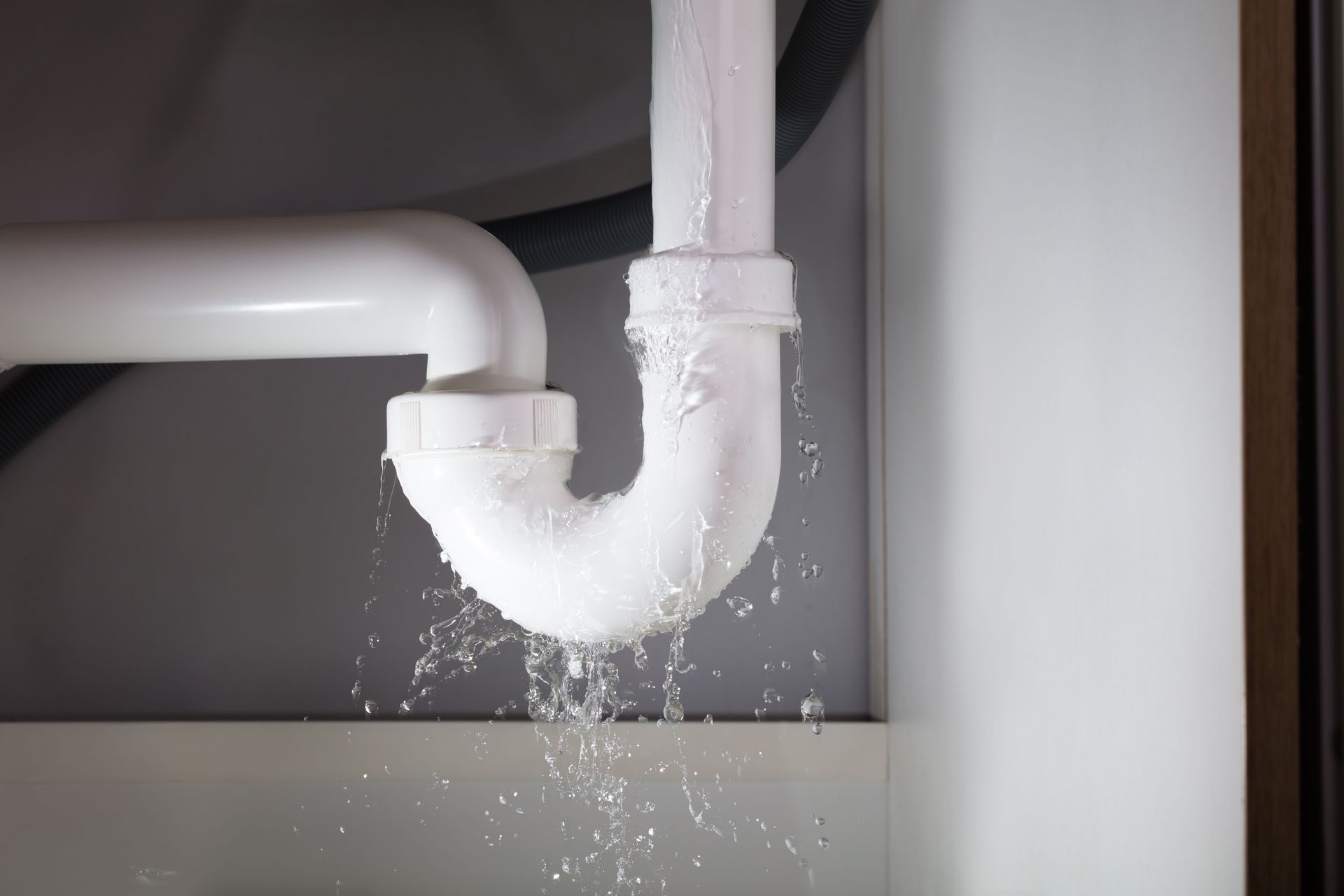
Regularly testing for leaks can save you from extensive water damage and high utility bills. A common method is to check your water meter before and after a period of no water use; any changes suggest a leak. Inspect visible pipes and fixtures for drips, rust, or corrosion. Don't overlook toilets; drop food coloring into the tank and see if it seeps into the bowl without flushing to detect leaks. Effective leak detection is essential for upholding the efficiency and safety of your home plumbing system.
3. Energy and Water Conservation Strategies
Installing low-flow fixtures is a simple yet effective strategy for reducing water consumption. These fixtures, including faucets, showerheads, and toilets, are designed to use less water without compromising performance. By implementing these devices, you can significantly reduce your household’s water usage. With lower water use, not only do you save on utility bills, but you also contribute to broader environmental conservation efforts. This easy upgrade is a step forward in sustainable home management.
Energy-efficient appliances are becoming increasingly popular due to their role in reducing water and energy consumption. These appliances use advanced technologies to perform tasks using less water and electricity. As a result, they lower utility bills while minimizing environmental footprints. Investing in such appliances can enhance home efficiency, support utilities, and demonstrate environmental stewardship.
Rainwater harvesting systems capture and store rainwater for future non-potable use, such as irrigation. These systems can significantly reduce reliance on municipal water systems, promoting sustainability. Installation involves setting up collection points, storage tanks, and distribution systems, which can be tailored to specific needs and budgets. Utilizing harvested rainwater reduces the strain on local resources and decreases residential water bills. This conservation method represents a significant step towards ecological responsibility and resource efficiency.
4. DIY Plumbing Repairs
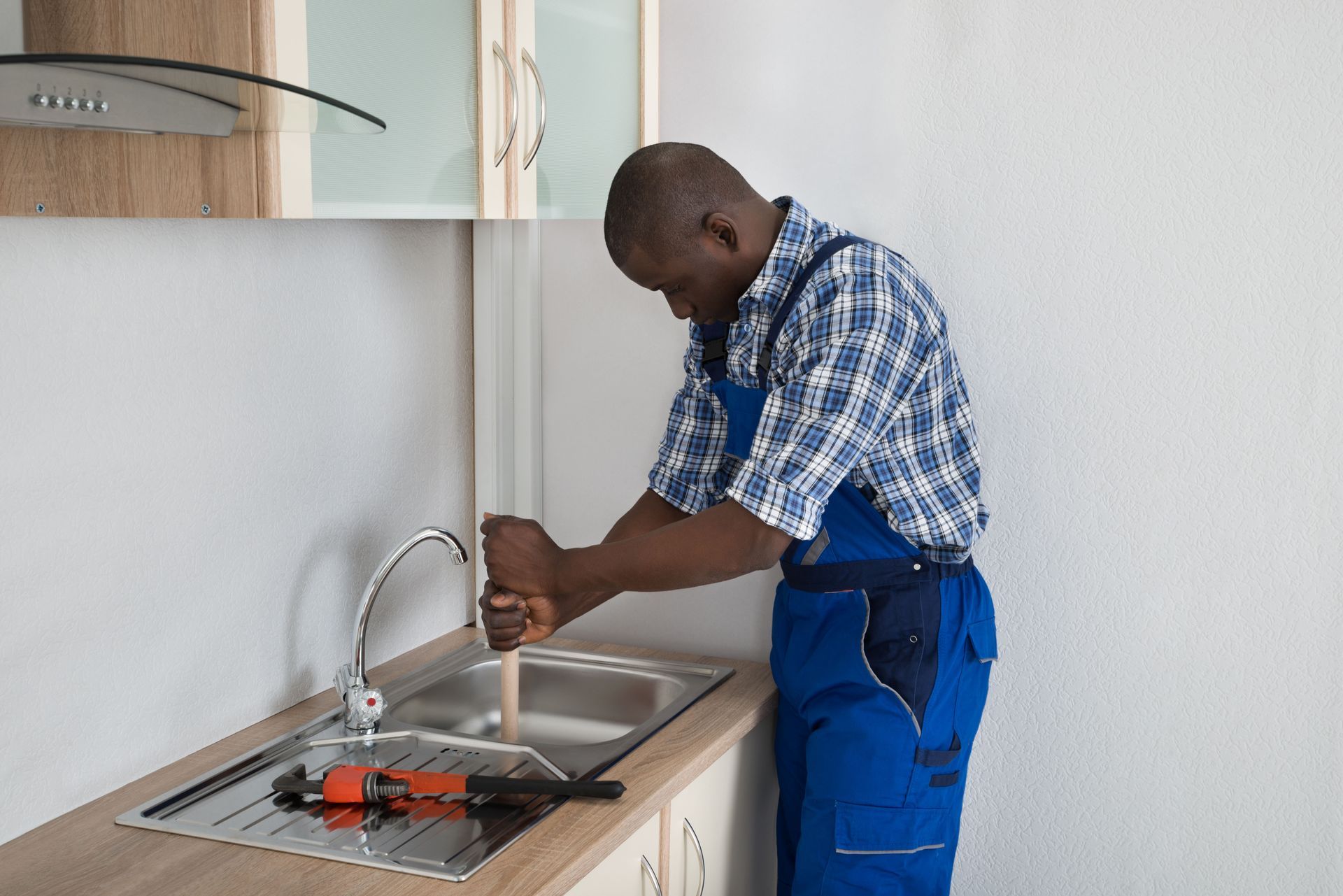
Clogged drains are a common household issue, but many can be resolved with simple DIY methods. Begin by using a plunger to create suction, which can often dislodge minor blockages. For more stubborn clogs, a drain snake can physically break up and remove obstructions. Homemade solutions, such as a mixture of baking soda and vinegar, can also help dissolve buildups naturally. Regular maintenance and mindful use can prevent clogs from forming in the first place, safeguarding your plumbing system.
Leaky faucets are not only annoying but can waste significant amounts of water if not addressed. Repairs typically involve replacing worn washers or O-rings, which are common failure points in faucets. Start by shutting off the water supply and dismantling the faucet to access these components. Once replaced, ensure all parts are secured properly before reassembling. This simple fix can eliminate leaks and improve your home's water efficiency, contributing to overall resource conservation.
Toilets can encounter various problems, from constant running to blockages, that impact efficiency. For running toilets, check the flapper or fill valve, as these are the usual culprits. Adjusting or replacing these parts can restore proper function and stop water waste. Blockages might require a plunger or auger to clear, maintaining the flow and preventing overflows. Basic toilet maintenance can improve water efficiency and prevent damage to the system, emphasizing the importance of regular checks.
5. When to Call a Professional
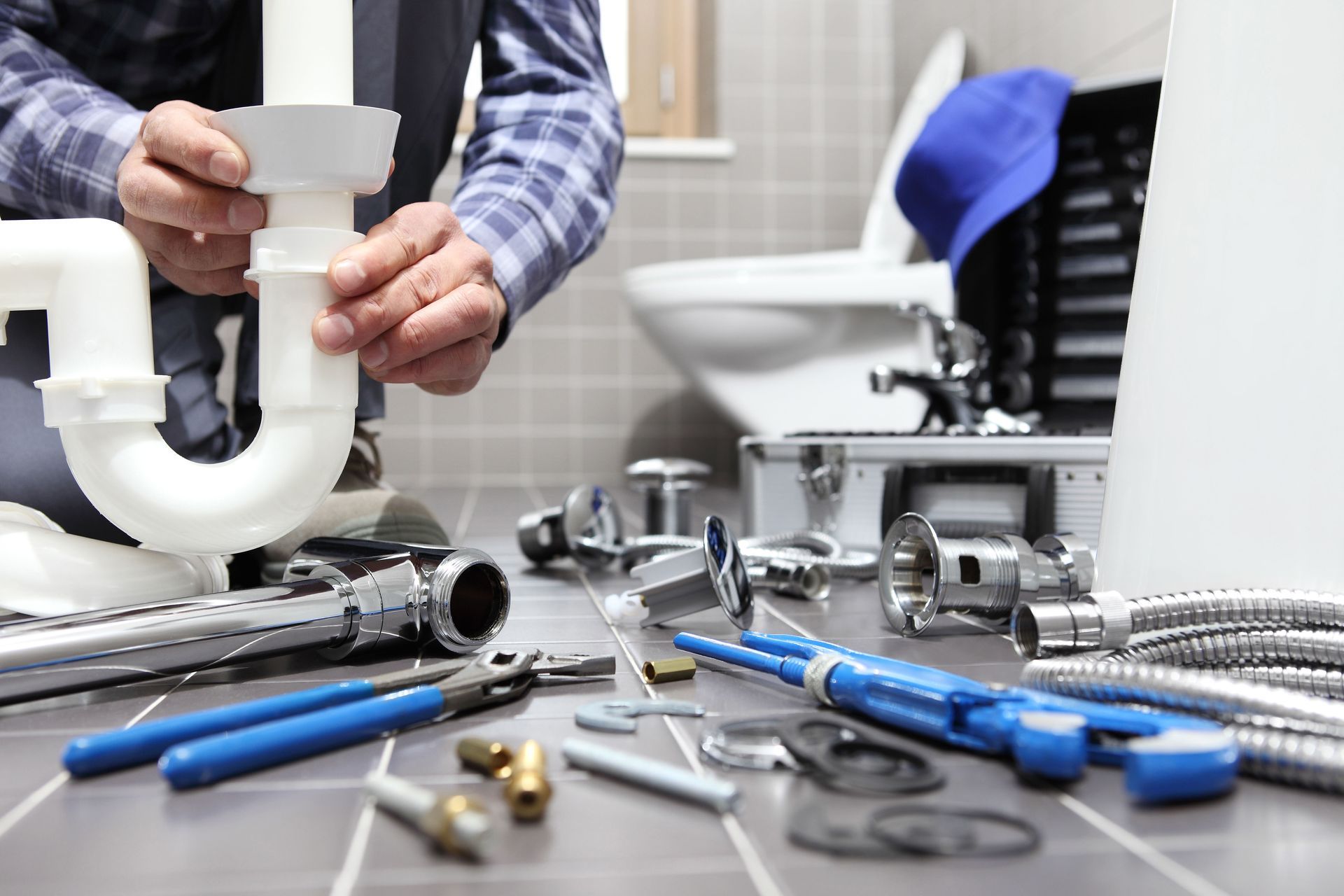
While many plumbing tasks are manageable with DIY efforts, certain issues necessitate professional intervention. Signs of considerable problems include water heater malfunctions, persistent low water pressure, or severe pipe corrosion. Recognizing these issues early can prevent further damage and escalating repair costs. Professionals bring expertise, specialized tools, and experience to effectively address these complex situations. Consulting a skilled plumber ensures safety and quality in restoring your home’s plumbing system.
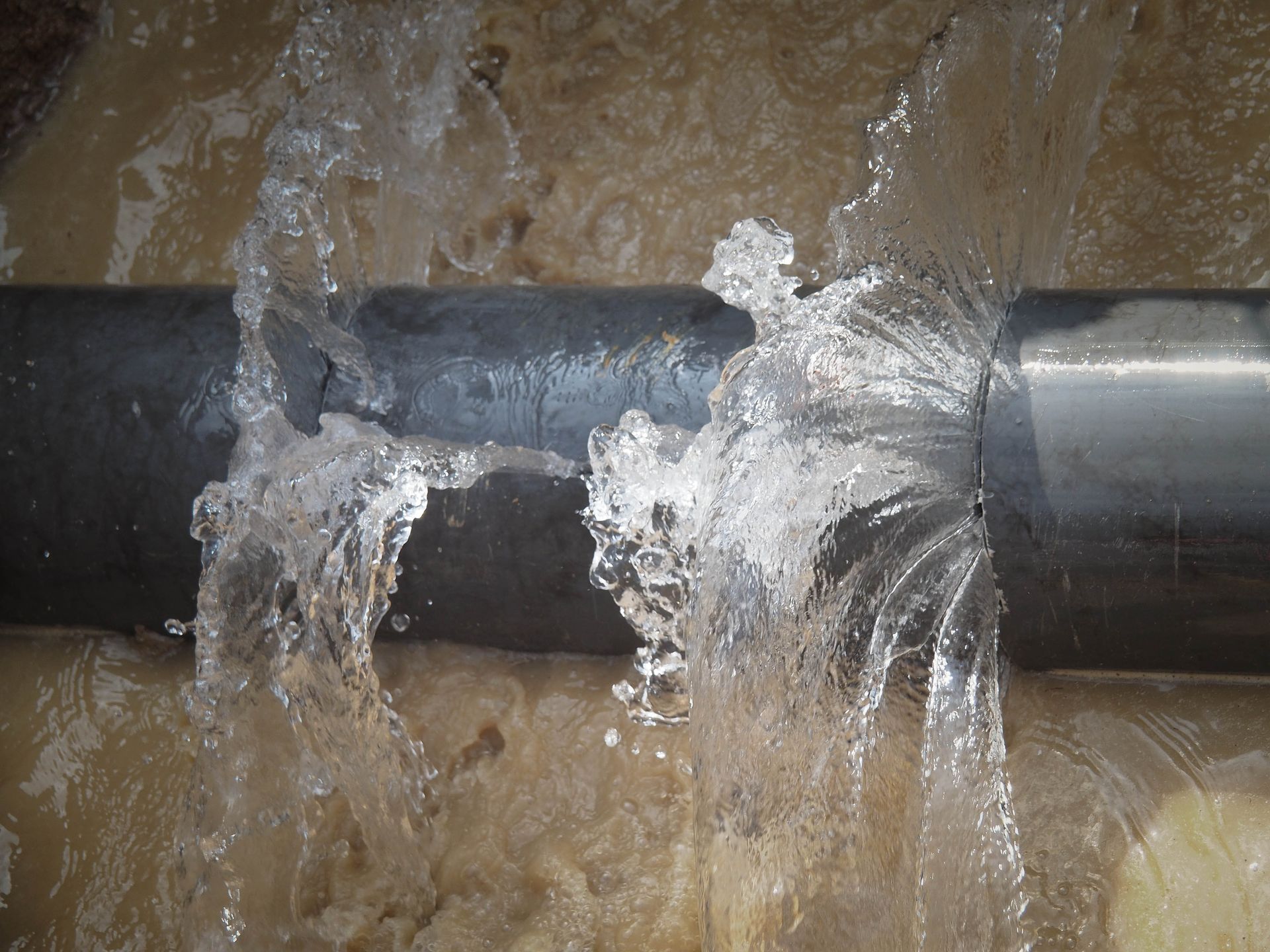
Accessing emergency plumbing services is crucial when faced with severe issues like major leaks, floods, or sewer backups. Knowing how and when to reach these services can minimize damage and restore functionality quickly. In emergencies, immediate action can prevent further complications and save on extensive future repairs. Preparing a list of trusted professionals with 24/7 availability ensures you have support during critical situations. Quick, expert interventions in emergencies safeguard your home and reduce stress during unforeseen plumbing crises.
Evaluating contractor qualifications ensures quality and reliable service. Check licenses, certifications, and reviews before hiring. Consider their experience with similar issues or installations to gauge suitability. Thorough evaluation ensures that you select a contractor who delivers quality work and reliable results, fostering trust and satisfaction.
Implementing clever plumbing strategies can greatly enhance the efficiency and sustainability of your home. From regular maintenance and DIY repairs to embracing modern innovations, homeowners have numerous tools at their disposal to maintain effective plumbing systems. These practices not only prevent costly repairs but also contribute to broader ecological goals, promoting sustainable living. According to Networx, professional plumbing services reduce risks of major damage by identifying hidden issues early. Embrace these tips and consult Drain Doctor for trusted plumbing services to achieve a resilient and sustainable home plumbing system.