By Joel George
October 13, 2026
Water damage can develop quietly, causing problems long before homeowners notice obvious flooding or major leaks. Recognizing subtle warning signs can help prevent structural damage, mold growth, and unnecessary repair costs. When something seems unusual, contacting a professional plumbing service can help identify whether a hidden leak is responsible.
Stains and Discoloration
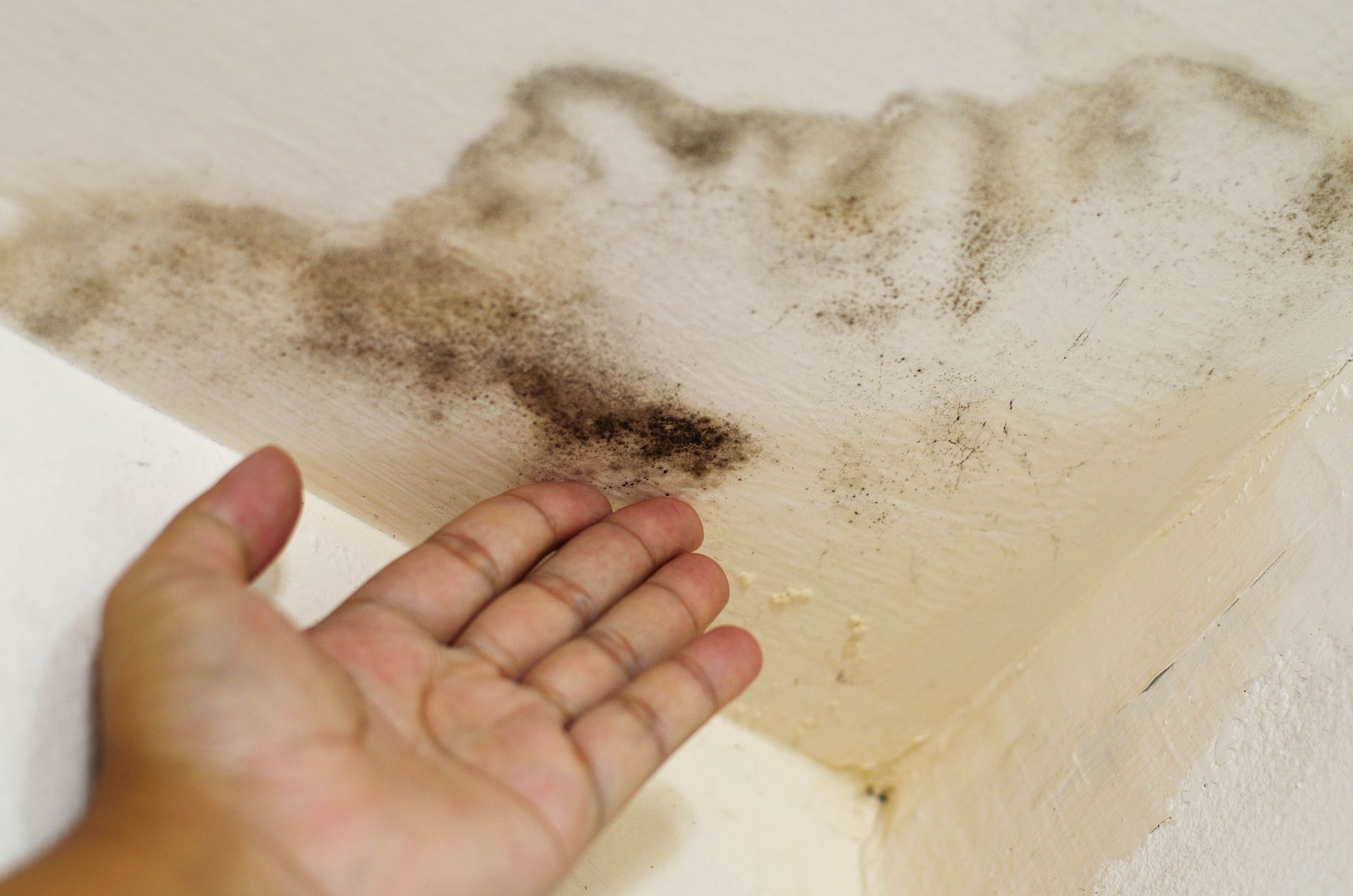
Brown or yellow spots on ceilings can indicate water entering the home through a roof problem or plumbing leak. These stains may gradually become larger as moisture continues to collect behind the surface, soaking through drywall and joists over time. A professional plumbing service can investigate possible plumbing-related causes and help prevent the issue from becoming more extensive.
Discoloration on walls may appear as stains, blistering, or peeling paint. These subtle aesthetic changes often indicate moisture accumulating directly behind the wall from leaking supply lines or compromised drainage pipes. Persistent discoloration should be evaluated promptly because prolonged moisture can weaken structural building materials and contribute to rapid mold growth.
Dark marks on flooring can also signal hidden moisture trapped underneath. Wood planks may develop unusual dark, weathered patches, while tile grout can become discolored as water saturates the underlayment. When floor stains appear without an obvious spill or explanation, a plumbing service can help determine whether a concealed leak is contributing to the problem.
Unusual Odors
A persistent musty smell is often associated with damp materials, active mold, or hidden mildew. If an odor remains after routine surface cleaning, moisture may be trapped somewhere that is not immediately visible to the eye. This commonly occurs behind walls, beneath subflooring, or directly around plumbing fixtures where slow drips pool unnoticed.
Basements and other enclosed areas can develop heavy, damp odors when moisture enters through small pipe leaks or foundation-related issues. According to This Old House, the average home leaks about 10,000 gallons of water each year through various unaddressed drips and pipe defects. Persistent odors should therefore be treated as a potential warning sign rather than simply an unpleasant household inconvenience.
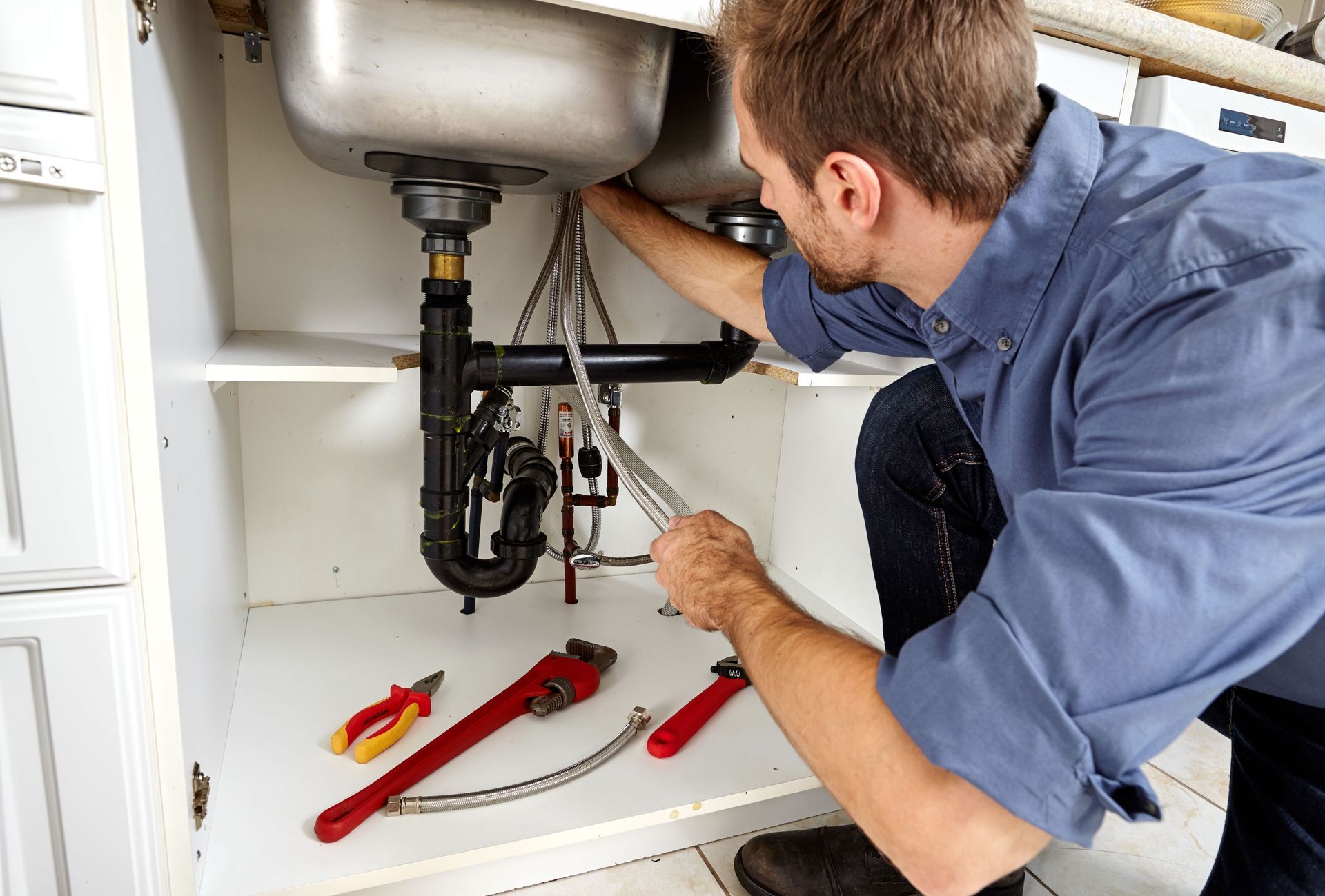
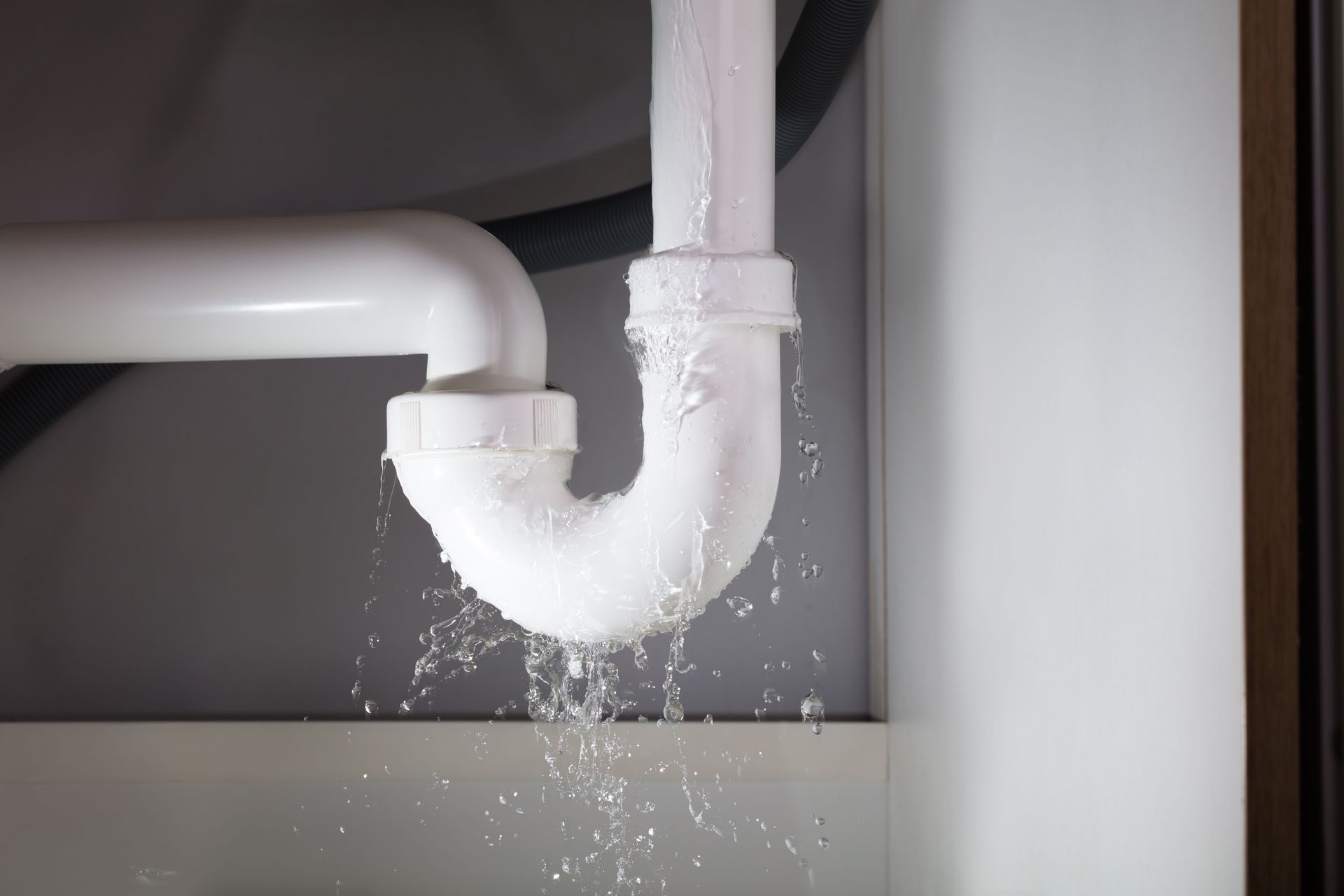
Strange smells around bathrooms and kitchens may also point to hidden plumbing problems. Leaking sink drain lines, bad toilet seals, or trapped moisture around fixtures can create ideal conditions where stagnant odors become far more noticeable. Scheduling a plumbing service can help locate the root source before the trapped moisture causes additional damage to cabinetry and flooring.
Changes in Surfaces
Warped or buckled flooring can develop when materials absorb excess moisture over prolonged periods. Hardwood planks may swell, cup, and change shape, while vinyl or tile flooring materials can loosen, shift, or lift as water destroys the adhesive underneath. These physical changes usually become increasingly severe if the underlying source of the moisture remains active.
Peeling paint, bubbling wallpaper, or soft drywall can similarly indicate continuous moisture trapped behind a wall surface. Water absorption gradually destroys the structural integrity of drywall, causing paint and wall coverings to separate from the deteriorating surface. Rather than simply covering up or patching the damaged area, homeowners should always have the root moisture source fully investigated.
Doors and windows that suddenly become difficult to open or close can sometimes be affected by increased indoor humidity and shifting framing. Wooden structural studs and subframes absorb moisture and swell, creating binding issues that become apparent during everyday use. Persistent changes in the way doors or windows operate warrant quick attention, particularly when they occur alongside other visual water damage signs.
Unexplained Water Sounds
Dripping sounds can indicate an active leak even when there is no visible water in sight. Hearing rhythmic drops inside a wall cavity, above a ceiling, or within a crawlspace usually means water is actively escaping from a pressurized pipe or drain line. A plumbing service can locate the exact position of the source and determine whether targeted pipe repairs are necessary.
Rushing or continuous running-water sounds when no fixtures are actively turned on can also be very concerning. These persistent noises often suggest water is steadily moving through a compromised mainline pipe, toilet valve, or hidden supply line within the plumbing system. Ignoring these unusual sounds allows even a small, high-pressure leak to continuously waste water while rapidly eroding surrounding building materials.
Soft or spongy spots beneath flooring may also indicate that escaping water has saturated the subfloor.
Constant moisture drastically weakens wooden subflooring over time, eventually compromising the stability and safety of the entire floor structure. When unusual dripping sounds or structural changes underfoot occur together, immediate professional evaluation can help identify and resolve the underlying problem.
Mold and Moisture Problems
Visible mold is one of the clearest and most concerning signs that excess moisture is present in the home. Mold commonly develops in damp, warm environments and can continue spreading rapidly across surfaces as long as the source of moisture remains unresolved. Simply cleaning or scrubbing away visible surface growth without addressing the underlying leak will inevitably allow the mold to return.
Mold in basements, crawlspaces, and other poorly ventilated utility areas frequently indicates persistent moisture intrusion. Water may enter through tiny pinhole plumbing leaks, cracked drain pipes, or foundation issues that are not immediately obvious during a casual inspection. Professional inspection can help determine where the moisture is coming from and what structural components need to be addressed.
Mold that repeatedly returns despite aggressive cleaning is another important red flag. Recurring growth almost always means the building material continues to receive fresh moisture even after the visible surface spores have been wiped clean. A plumbing service may be necessary when the recurring moisture is connected to a hidden pipe joint, fixture, or concealed supply leak.
Rising Utility Bills
An unexplained increase in a monthly water bill can be an early, quantifiable indication of a hidden household leak. A gradual, month-over-month increase can be particularly easy to overlook because there may be no obvious puddles, stains, or dripping faucets around the living spaces. When water usage rises unexpectedly without a clear change in household habits or occupant numbers, a plumbing service can help investigate potential concealed leaks.
Higher indoor humidity levels caused by unmanaged water leaks can also affect how efficiently heating and cooling equipment operates. When excess ambient moisture is present, HVAC units must work significantly harder to dehumidify and cool the home, contributing to noticeable spikes in monthly energy usage. Looking closely at utility trends alongside physical warning signs can provide useful clues about developing water problems.
Monitoring monthly utility bills over time makes subtle, abnormal consumption patterns much easier to spot. Sudden spikes are especially worth investigating when they occur alongside damp odors, wall stains, mold growth, or unusual water sounds. Seeking early professional attention can limit expensive water waste and significantly reduce the possibility of extensive structural repairs.
When Professional Attention Is Needed
Some signs of water damage are easy to dismiss at first because they develop very gradually over weeks or months. Small ceiling stains, unfamiliar damp odors, warped materials, or unexplained changes in water usage can all indicate that hidden moisture is actively accumulating somewhere in the home. A professional plumbing service can evaluate potential plumbing-related sources before the problem becomes significantly more expensive to remediate.
Water damage rarely remains localized and can quickly affect far more than just pipes and plumbing fixtures. Continued moisture exposure may severely damage drywall, hardwood flooring, subflooring, ceiling joists, insulation, and framing while simultaneously creating ideal environmental conditions for toxic mold growth. Addressing the primary source early gives homeowners the absolute best opportunity to limit the overall extent of the damage.
Drain Doctor can help homeowners thoroughly investigate plumbing-related water concerns and accurately determine what may be causing persistent leaks or moisture problems. If you have noticed unexplained stains, unusual odors, changing water bills, or other warning signs, contact Drain Doctor today for professional assistance before a small issue develops into a larger, costly repair project.