September 17, 2026
Household drains handle wastewater every day, so changes in their performance can quickly become noticeable. A sink that empties more slowly than usual, recurring backups, unpleasant odors, or unusual sounds can indicate that something is interfering with normal drainage. While an occasional change may seem minor, persistent symptoms can signal a blockage or another plumbing condition that deserves professional evaluation.
According to Onedesk, the worldwide plumbing industry generated $4.56 trillion in revenue during 2021. The scale of the industry reflects how important functional plumbing systems are to homes, businesses, and other properties. When drainage symptoms continue or affect several fixtures, professional drain cleaning can help identify and address obstructions while determining whether a larger plumbing concern is contributing to the problem.
Noticing Drains That Empty Slowly
Observing Slower Sink Drainage
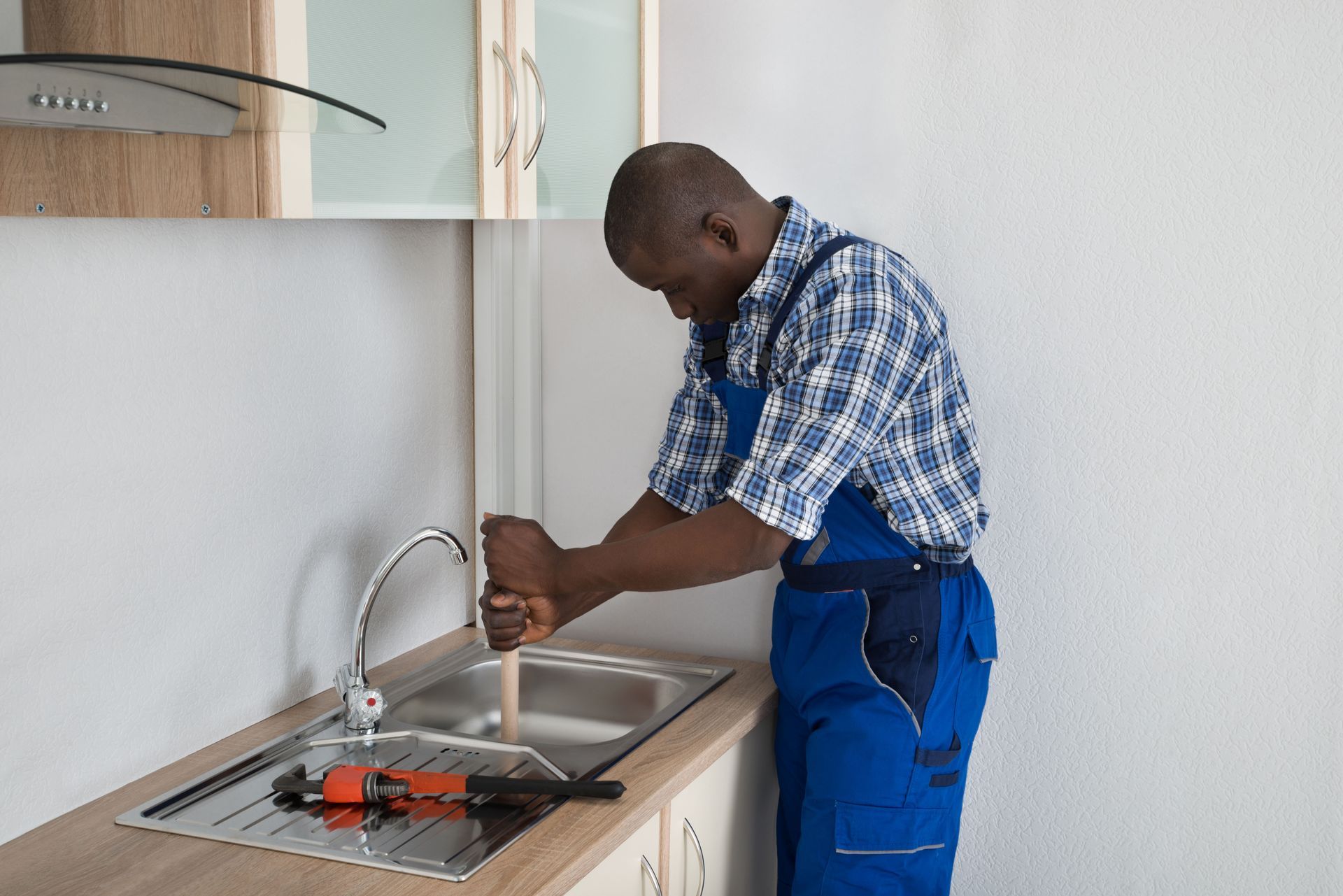
A sink that takes noticeably longer to empty can be one of the earliest indications of restricted drainage. The change may develop gradually as material accumulates inside the line. When slow drainage persists rather than occurring as an isolated event, a plumber can evaluate what is restricting normal water flow.
Observing Slower Tub Drainage
Bathtubs and showers regularly encounter soap residue, hair, and other materials that can contribute to buildup. Standing water that remains after bathing can indicate that the drain isn't carrying water away efficiently. Professional attention can determine the location and extent of the restriction.
Observing Changes Across Fixtures
When several fixtures begin draining slowly around the same time, the issue may extend beyond a single fixture. A plumber can assess the pattern of affected drains and determine whether a shared portion of the plumbing system requires attention.
Observing Gradual Performance Changes
Drain problems don't always occur suddenly. A line can become increasingly restricted over time until the change is difficult to ignore. Professional drain cleaning can address accumulated material and help restore appropriate flow before a partial restriction develops into a more disruptive blockage.
Noticing Drains That Clog Repeatedly
Recognizing Recurring Sink Clogs
A sink that repeatedly stops draining can indicate that the underlying obstruction hasn't been fully addressed. Temporary improvements don't necessarily mean the entire restriction is gone. Repeated symptoms provide a reason for professional evaluation of the affected line.
Recognizing Recurring Shower Clogs
Shower and tub drains can experience recurring restrictions when buildup remains within the plumbing. If water repeatedly begins pooling after the drain previously appeared to improve, the pattern can indicate an ongoing condition rather than an isolated inconvenience.
Recognizing Recurring Toilet Problems
Frequent toilet backups can have several possible causes, including conditions within the fixture or connected drainage lines. Because repeated problems can indicate something beyond a one-time blockage, a plumber can determine which part of the system requires service.
Recognizing Persistent Blockages
Repeated clogs can become increasingly disruptive to household routines. Professional drain cleaning allows the condition to be evaluated based on its location, severity, and recurrence rather than treating each new backup as an unrelated event.
Noticing Unpleasant Drain Odors
Detecting Persistent Sink Odors
Unpleasant odors around a kitchen or bathroom sink can sometimes originate within the drainage system. Material collecting inside a drain can create noticeable smells as it remains in the plumbing. Persistent odors warrant attention, particularly when routine fixture use doesn't make them disappear.
Detecting Odors From Multiple Drains
Smells coming from several drains can indicate a broader plumbing concern. The number and location of affected fixtures provide useful information for a professional assessment. A plumber can evaluate whether the odor is associated with buildup or another drainage-system condition.
Detecting Changes in Odor Intensity
An odor that becomes stronger or more frequent can suggest that conditions inside the plumbing are changing. Rather than masking the smell, professional evaluation focuses on identifying why it is occurring and whether a drainage problem requires attention.
Detecting Odors With Slow Drainage
When unpleasant smells occur alongside slow-moving water, the combination can provide additional evidence of buildup or an obstruction. Drain cleaning may be appropriate when a plumber determines that accumulated material is interfering with flow and contributing to persistent odors.
Noticing Unusual Drain Sounds
Hearing Frequent Gurgling
Gurgling from a sink, tub, shower, or toilet can indicate that water and air aren't moving normally through the plumbing. Although occasional sounds don't always indicate a serious problem, repeated gurgling combined with other drainage symptoms deserves professional evaluation.
Hearing Sounds After Fixture Use
Some unusual noises occur immediately after water enters a drain. The timing of these sounds can help a plumber understand how the system is behaving and whether restricted flow or another condition may be influencing drainage.
Hearing Sounds From Nearby Fixtures
Using one fixture can sometimes produce sounds from another when connected plumbing lines are affected. For example, activity at one drain may be followed by gurgling elsewhere. This interaction can provide useful information about where a drainage concern is located.
Hearing Sounds Alongside Other Symptoms
Unusual noises become more significant when accompanied by backups, odors, or slow drainage. A plumber performing drain cleaning can consider the complete group of symptoms rather than relying on one sound to determine what is happening within the system.
Noticing Water Backing Up
Seeing Water Return Through Drains
Water moving in the wrong direction is a clear indication that normal drainage has been interrupted. A backup can occur when wastewater encounters a significant obstruction and can't continue through the line as intended. Prompt professional attention can help identify the affected portion of the system.
Seeing Backups During Fixture Use
A backup that occurs whenever a particular fixture is used can help establish a pattern. Plumbers can consider which fixtures are involved, when the backup appears, and how quickly it develops when evaluating the possible location of a blockage.
Seeing Multiple Fixtures Affected
A single slow sink can suggest a localized problem, while several affected fixtures can indicate a restriction farther along the drainage system. Professional drain cleaning becomes especially important when wastewater problems extend beyond one isolated drain.
Seeing Backups Become More Frequent
A drainage problem that progresses from occasional slow flow to repeated backups shouldn't be ignored. Increasing frequency can indicate that an obstruction is becoming more restrictive. Professional assessment can establish the cause and determine the appropriate service before disruption becomes more extensive.
Noticing Problems Throughout the Plumbing System
Identifying Widespread Drainage Changes
Several slow or malfunctioning drains can suggest that the problem involves a shared line rather than individual fixtures. Understanding how the affected areas connect within the plumbing system helps professionals narrow down where further evaluation is necessary.
Identifying Changes After Heavy Use
Some drainage concerns become particularly noticeable when several fixtures are used within a short period. Increased wastewater flow can reveal restrictions that aren't as obvious during lighter usage. These patterns provide useful diagnostic information for a plumber.
Identifying Escalating Plumbing Symptoms
Slow drainage can eventually be joined by odors, noises, or backups as a restriction becomes more significant. A combination of symptoms can indicate that professional drain cleaning should no longer be delayed, particularly when ordinary use of the affected fixtures becomes difficult.
Identifying the Need for Professional Evaluation
Similar drainage symptoms can originate from different locations and conditions. Professional evaluation helps distinguish an isolated fixture problem from a more substantial obstruction. Identifying the actual cause allows the plumber to recommend service based on the condition of the drainage system.
Slow drains, recurring clogs, unpleasant odors, unusual sounds, backups, and problems affecting multiple fixtures can all indicate that a drainage system needs professional attention. The severity of these symptoms can vary, but patterns that persist or become progressively worse shouldn't be treated as ordinary plumbing behavior. Having the system evaluated can clarify whether an obstruction or another condition is interfering with wastewater flow.
Addressing drainage concerns promptly can also help restore normal fixture use before an inconvenience becomes a larger disruption. If your property is experiencing recurring or worsening drainage symptoms, contact Drain Doctor today for professional drain cleaning and an evaluation of the affected plumbing system.