A home's plumbing system plays an essential role in managing wastewater and maintaining comfortable living conditions. While sinks, toilets, showers, and drains receive regular attention, the underground pipes carrying wastewater away from the property are often overlooked. Over time, grease, soap residue, debris, and other materials can accumulate inside these pipes, restricting wastewater movement and creating plumbing problems. Professional sewer line cleaning helps address these concerns by removing buildup and supporting proper drainage throughout the home. Without appropriate maintenance, minor blockages may develop into recurring backups, unpleasant odors, or complicated repairs.
1. Removing Accumulated Debris and Blockages
Wastewater pipes regularly carry materials that can accumulate along their interior surfaces. Grease, soap residue, food particles, and other debris may collect inside the system, particularly where pipe conditions encourage buildup. As these deposits increase, they can restrict wastewater flow and contribute to recurring drainage problems. Professional cleaning methods help remove accumulated materials and restore more consistent movement through the pipes.
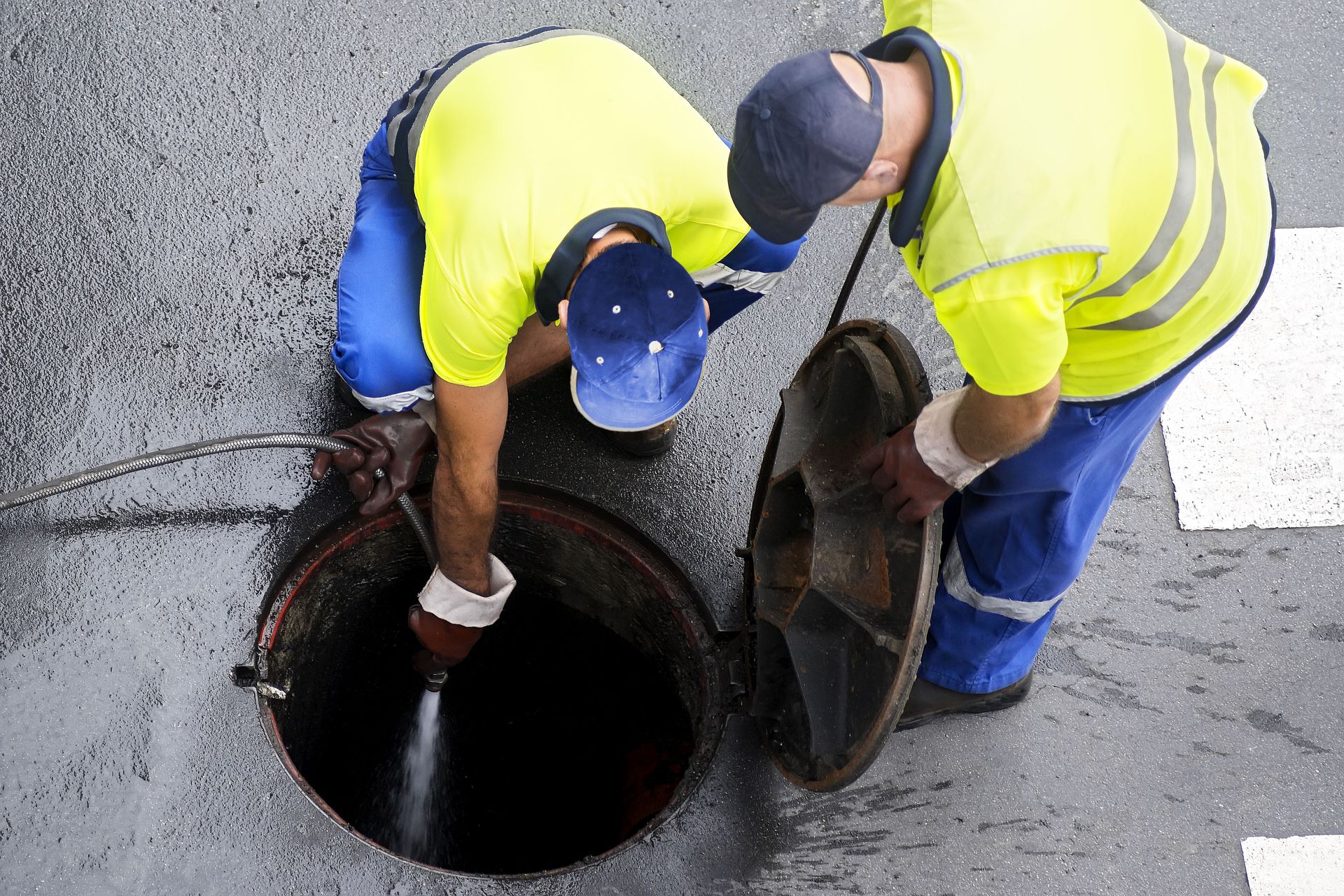
Experienced technicians evaluate the drainage system before selecting an appropriate cleaning approach. Depending on the circumstances, specialized equipment may break apart obstructions or flush deposits from pipe interiors. Removing buildup can improve drainage while helping homeowners avoid repeated attempts to address the same blockage. Proper equipment selection is important because different pipe materials and conditions require different treatment methods.
2. Preventing Unexpected Wastewater Backups
A sewer backup can create significant inconvenience for homeowners. When wastewater cannot move freely through underground pipes, it may return through floor drains, toilets, or other plumbing fixtures. These incidents can expose interior surfaces to contaminated water and interrupt normal household activities. Blockages may develop gradually, making early warning signs such as slow drains and unusual sounds important.
Routine sewer line cleaning can help reduce the likelihood of backups caused by accumulated debris. Professionals may identify restrictions and remove obstructions before they completely block wastewater movement. However, cleaning cannot prevent every backup, particularly when structural damage, municipal system problems, or severe root intrusion are involved. Recognizing these limitations helps homeowners understand why professional inspections and timely repairs may also be necessary.
3. Improving Drainage Throughout the Home
Slow drainage can affect several plumbing fixtures when a restriction develops in the main wastewater line. Homeowners may notice water collecting in showers, sinks emptying slowly, or toilets producing unusual bubbling sounds. Although individual fixtures can experience localized clogs, simultaneous problems in multiple areas may indicate a larger drainage concern. Identifying the source is important for selecting an effective solution.
Professional technicians can examine drainage symptoms and determine whether the main line requires attention. Clearing accumulated material may improve wastewater movement and restore consistent performance across connected fixtures. Homeowners should avoid repeatedly using chemical drain cleaners without understanding the underlying problem. Certain products can damage plumbing materials or create additional handling concerns. Professional evaluation provides a more informed approach to persistent drainage difficulties.
4. Identifying Hidden Plumbing Problems Early
Underground wastewater pipes are difficult to inspect without specialized equipment. Problems such as cracked sections, misaligned joints, corrosion, and invasive tree roots may develop without obvious signs above ground. These conditions can contribute to recurring clogs or changes in drainage performance. Cleaning alone may temporarily improve wastewater movement without addressing the underlying cause of repeated restrictions.
Professional sewer line cleaning services may include camera inspections when additional evaluation is appropriate. Specialized cameras allow technicians to examine accessible pipe interiors and identify visible defects or obstructions. This information helps distinguish ordinary debris accumulation from conditions requiring repair. Early identification may allow homeowners to address developing concerns before they contribute to extensive plumbing damage or repeated service interruptions.
5. Reducing Unpleasant Drainage Odors
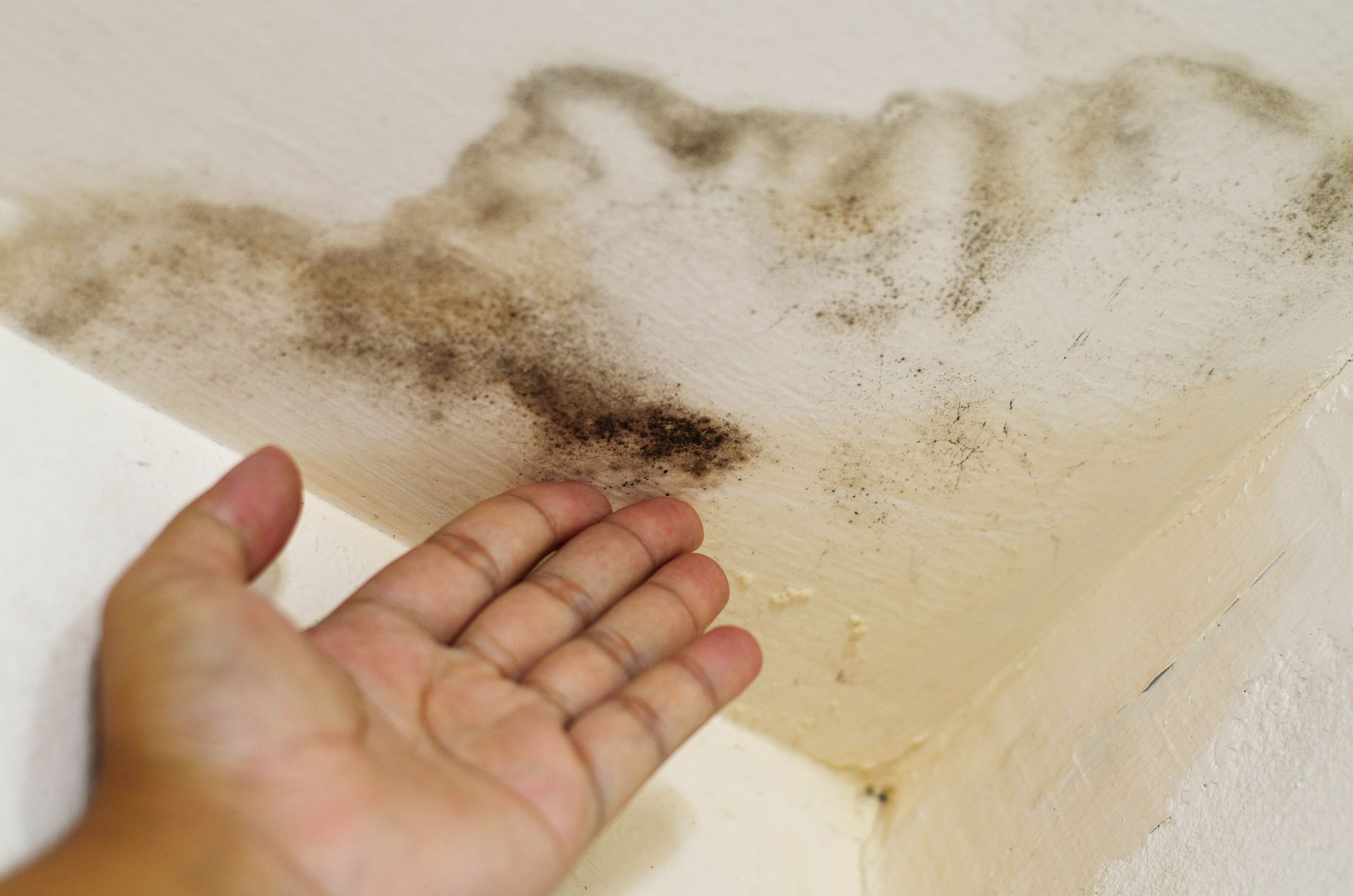
Unpleasant odors near plumbing fixtures can make bathrooms, kitchens, and other areas uncomfortable. These smells may develop when organic materials accumulate inside drains or wastewater pipes. Certain blockages can interfere with normal drainage and contribute to stagnant wastewater. However, sewer odors may have several causes, including dry plumbing traps, damaged seals, ventilation problems, or defects in the drainage system.
Professional evaluation helps determine whether accumulated debris is contributing to the odor. Removing organic buildup may improve conditions when the source involves restricted wastewater movement or deposits inside pipes. Technicians can recommend additional inspections if cleaning does not resolve the concern. Identifying the actual cause is important because masking odors with household products does not correct underlying plumbing problems.
6. Protecting Pipes From Avoidable Damage
Persistent blockages can place additional demands on a home's drainage system and encourage repeated attempts at clearing obstructions. Improper tools, excessive force, or unsuitable chemical products may damage plumbing materials. Older pipes can be particularly vulnerable when corrosion, deterioration, or weakened joints are already present. Selecting an appropriate maintenance method helps reduce the risk of creating additional problems.
Experienced professionals consider pipe condition, material, and the suspected obstruction before recommending treatment. Sewer line cleaning may involve mechanical equipment or controlled water pressure, depending on what the system can safely accommodate. Technicians can recognize situations where cleaning should be limited until damaged sections are repaired. This approach helps homeowners avoid unnecessary stress on vulnerable components while addressing drainage restrictions.
7. Supporting Better Household Plumbing Habits
Professional drainage services provide opportunities for homeowners to learn which everyday activities contribute to pipe buildup. Pouring cooking grease into sinks, flushing inappropriate materials, and allowing debris to enter drains can increase the likelihood of restrictions. Even products marketed as flushable may not break down quickly enough to move through certain wastewater systems without problems. Understanding these risks can help households adopt better prevention habits.
Water efficiency is another consideration when evaluating overall plumbing performance. According to Workyard, upgrading older toilets to high-efficiency models can reduce water consumption by 20% to 60%, helping households conserve approximately 13,000 gallons of water each year. Although toilet upgrades and drain maintenance address different concerns, both can contribute to thoughtful household system management. Professionals can explain appropriate disposal practices and help homeowners recognize when fixtures or drainage components require attention.
8. Minimizing Disruptions and Repair Expenses
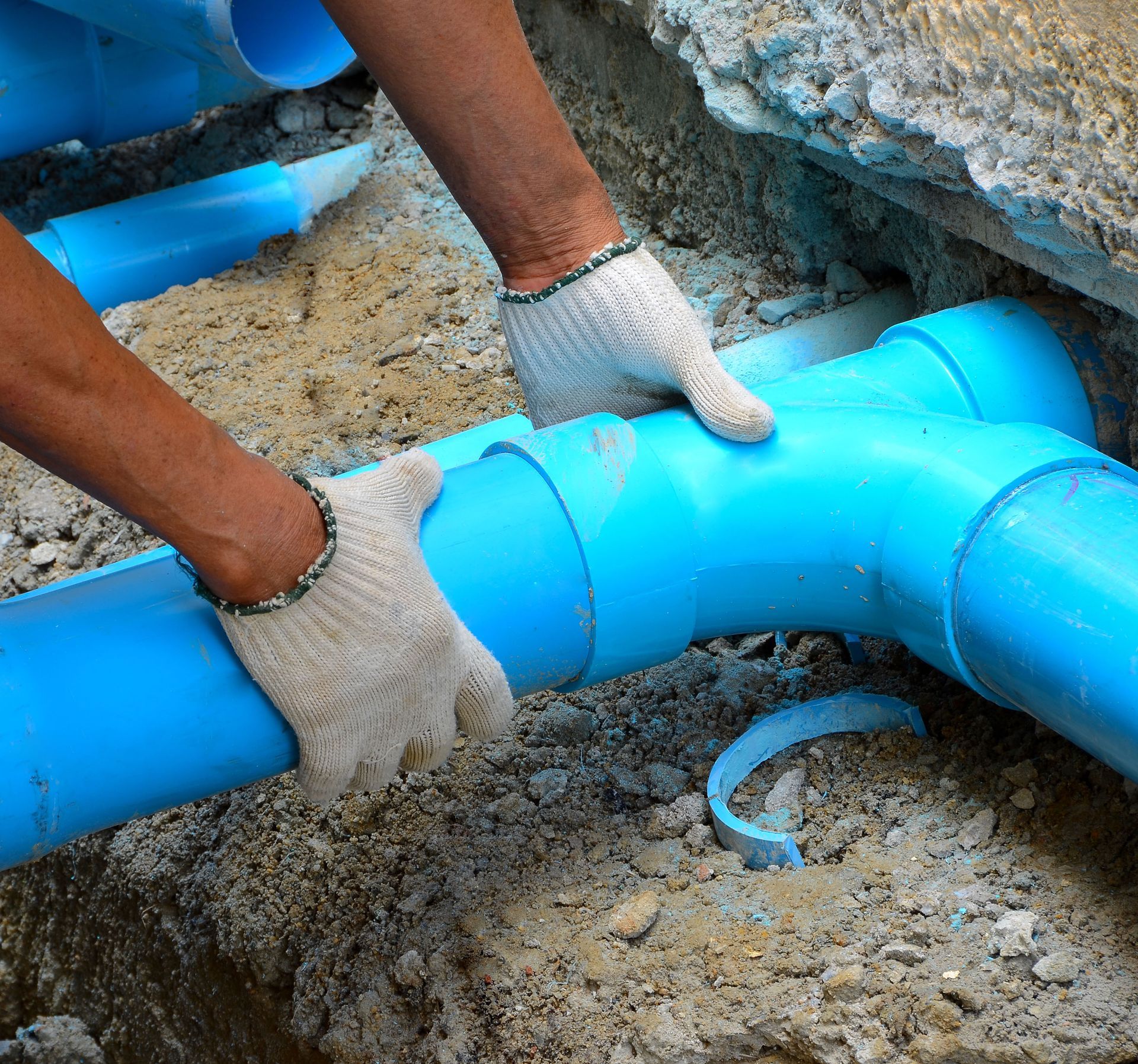
Unexpected drainage problems can interrupt household routines and create expenses beyond the initial plumbing service. Severe blockages may prevent normal use of bathrooms, kitchens, or laundry equipment. If wastewater enters occupied spaces, cleanup and restoration may become necessary. Homeowners may also face additional costs when damaged pipes require excavation, replacement, or specialized repairs.
Scheduling sewer line cleaning when recurring symptoms appear may help homeowners address restrictions before they become more disruptive. Preventive service can also benefit properties with documented histories of buildup. However, maintenance schedules should reflect actual pipe conditions rather than assuming every home requires identical treatment intervals. Professional recommendations based on inspections and service history can help property owners avoid unnecessary work while managing plumbing expenses.
9. Maintaining Reliable Long-Term Drainage Performance
A dependable wastewater system supports everyday household activities without requiring constant attention. Maintaining this system involves recognizing early warning signs, using plumbing fixtures appropriately, and addressing developing concerns promptly. Older properties, homes surrounded by mature trees, and buildings with recurring drainage issues may benefit from additional monitoring. Pipe age, material, slope, and previous repairs can influence maintenance needs.
Professional technicians can help homeowners establish practical strategies for managing underground drainage systems. These may include periodic evaluations, targeted cleaning, and recommendations for addressing structural defects. Maintaining service records makes it easier to recognize recurring problems and track completed repairs. A coordinated approach supports reliable drainage while helping property owners make informed decisions about future plumbing maintenance.
Professional sewer line cleaning offers several benefits for homeowners seeking dependable drainage and fewer unexpected plumbing disruptions. Removing accumulated debris can improve wastewater movement, reduce certain backup risks, and address restrictions affecting multiple fixtures. Professional evaluations may also reveal hidden pipe damage, recurring obstructions, or other concerns requiring attention. Although cleaning cannot prevent every plumbing problem, combining appropriate maintenance with responsible household habits can help protect the drainage system. Homeowners should pay attention to slow drains, unusual odors, recurring clogs, and other warning signs rather than waiting for major problems to develop. Experienced plumbing professionals can evaluate these symptoms and recommend suitable solutions based on the property's needs. To learn more about professional sewer line cleaning and dependable drainage services, contact Drain Doctor today.