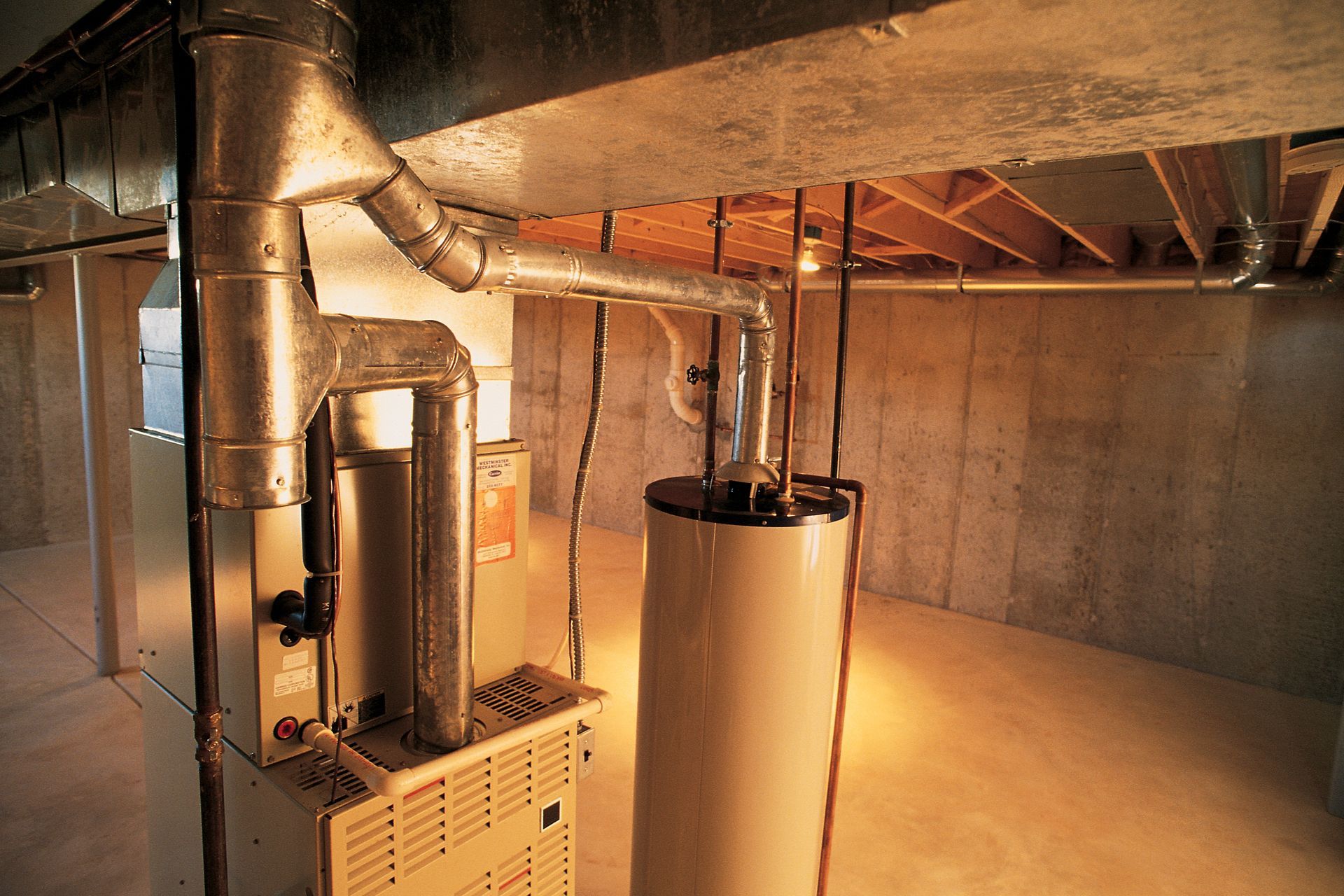
Recognizing the early signs of a failing water heater is very important to prevent unexpected breakdowns of your heater as well as costly water heater replacements.
1. What Are the Initial Signs of Water Heater Failure?
1.1 Unusual Sounds
Unusual sounds emanating from your water heater can be an early warning of problems. Roaring, popping, or cracking noises often indicate a buildup of sediment in the tank. As the sediment is heated and reheated, it hardens, resulting in noises when water heats up. Acknowledging these sounds early can prevent further damage and the potential need for water heater replacements.
Another cause of strange noises could be a loosening element or a faulty thermostat. Ensuring that the water heater is inspected when these sounds occur is crucial. Early detection can save you from costly repairs and potential water damage. Proper maintenance and flushing the tank annually can minimize sediment buildup significantly.
The presence of odd sounds doesn't always mean immediate replacement is necessary, but they should not be ignored. Consistent noises are a strong indication that professional inspection is necessary. Between 70% and 80% of all plumbing service requests are categorized as urgent according to Revenue Memo, highlighting the importance of timely intervention. Ignoring these signs will likely lead to more severe issues requiring significant repair expense or complete replacements.
1.2 Fluctuating Water Temperature
Fluctuating water temperatures can disrupt daily activities and may indicate an emerging problem with the water heater. When you notice water temperatures changing unpredictably, it often points to malfunctioning heating elements or a faulty thermostat. These components' inability to maintain a consistent temperature is a sign that repair or replacement is imminent. Addressing these issues proactively can prevent inconvenience and costly unreliability.
Persistent temperature variation might also result from sediment buildup, as the mineral deposits can negatively impact the system's efficiency. Flushing the water heater can often resolve this problem if detected early. However, if the problem persists despite maintenance efforts, it could indicate that the water heater is reaching the end of its lifespan. When regular repair fails to restore consistent performance, water heater replacements might be the most economical option.
Regular maintenance checks can often prevent such issues, ensuring that components function smoothly. Consulting with professionals as soon as inconsistencies are observed can prolong the water heater's operational life. It is recommended to schedule inspections annually to catch potential problems early. Monitoring these symptoms attentively helps in avoiding emergencies and maintaining an uninterrupted supply of hot water.
2. How Long Does a Typical Water Heater Last?
2.1 Average Lifespan of Different Types
The typical lifespan of standard water heaters varies depending on the type and usage conditions, but generally, they last between 8 to 12 years. Tankless water heaters, however, which provide on-demand hot water, can remain operational for 20 years or more. Realizing the age of your current water heater can help you anticipate necessary maintenance more efficiently. It's important to note that technology advancements mean newer models are becoming more durable and efficient.
The lifespan can also vary based on the brand, quality of installation, and water hardness, impacting the frequency of required water heater replacements. A well-maintained heater can surpass its average lifespan, delivering reliable service beyond expectations. Regular inspections provide valuable insights, helping to predict when a replacement is ideal economically versus holding onto aging, less efficient heaters. Newer models often offer superior energy-saving features, offsetting initial replacement costs over time.
Understanding the expected lifespan helps in planning financially for future replacements. By maintaining awareness of the age and condition of your water heater, you can schedule timely assessments and avoid unexpected failures. Integrating newer, sophisticated models can enhance performance and lower utility bills. It's advisable for homeowners to keep abreast of technological advances in water heater models that may justify an early upgrade.
2.2 Factors Affecting Longevity
Several factors can influence a water heater's longevity, with water quality and location playing significant roles. Harsh water with high mineral content leads to faster sediment accumulation, potentially shortening the heater's lifespan. Installing water softeners can mitigate such effects, preserving the integrity of the unit's internal components. Regular maintenance, including flushing the tank and replacing the anode rod, further contributes to extending its life.
Proper installation can drastically affect durability by ensuring optimal operation from the start. Incorrect installation may cause premature malfunctions and decrease overall efficiency, ultimately culminating in the need for earlier water heater replacements. Additionally, the unit's usage habits can impact its longevity, with excessive demand straining components more rapidly.
Understanding these contributing factors is essential for ensuring cost-effective longevity and consistent operation of your unit.
Manufacturer recommendations typically highlight operating conditions ideal for sustaining the longest life possible. Routine evaluations and adherence to manufacturer care guidelines can stave off potential problems. By recognizing and addressing these influencing factors, owners can maximize service life, delay replacements, and achieve satisfied customer experiences. Promptly addressing arising issues in alignment with professional advice helps maintain consistent hot water services.
3. When Should I Call a Professional for Water Heater Repairs?
3.1 Identifying Minor vs. Major Issues
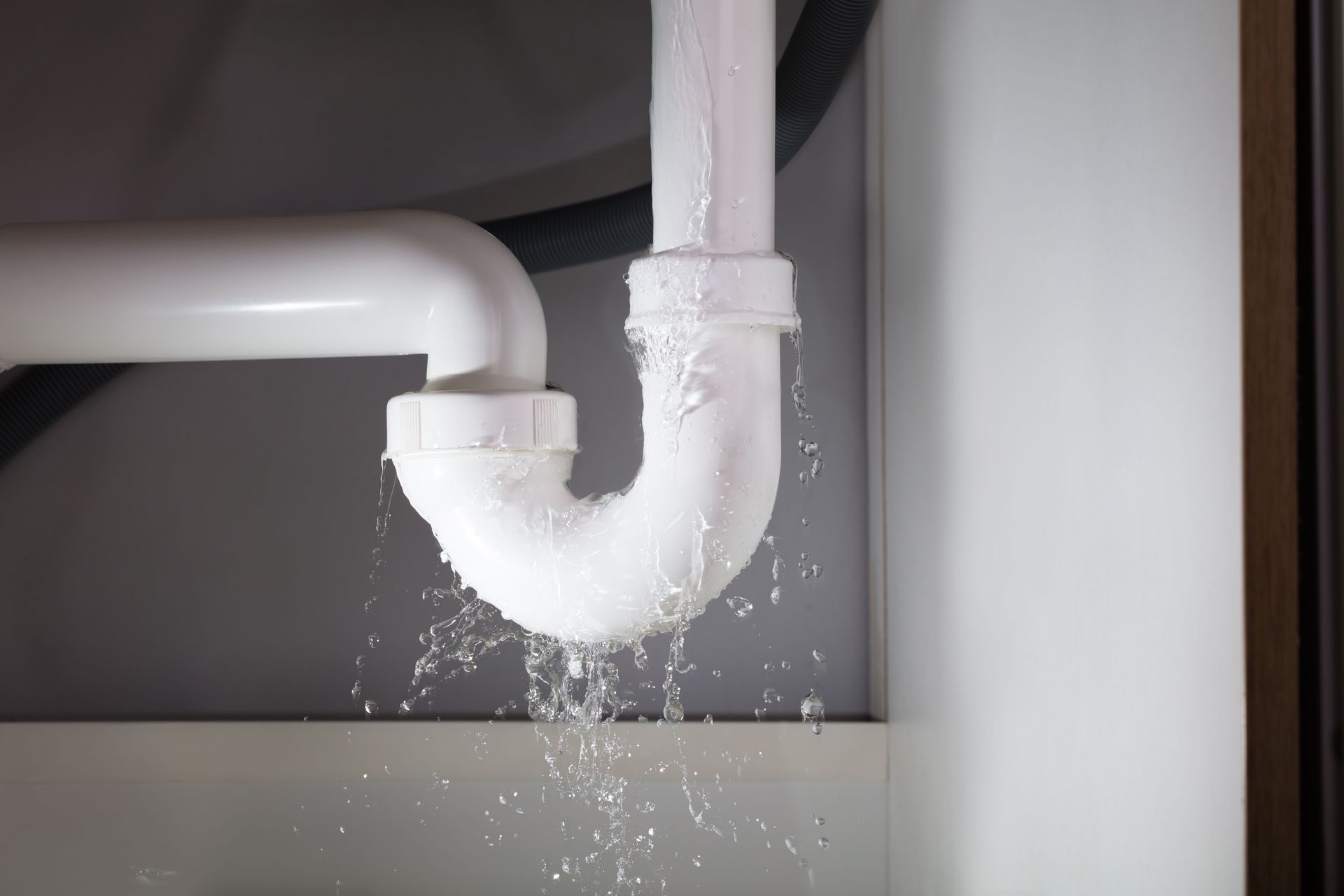
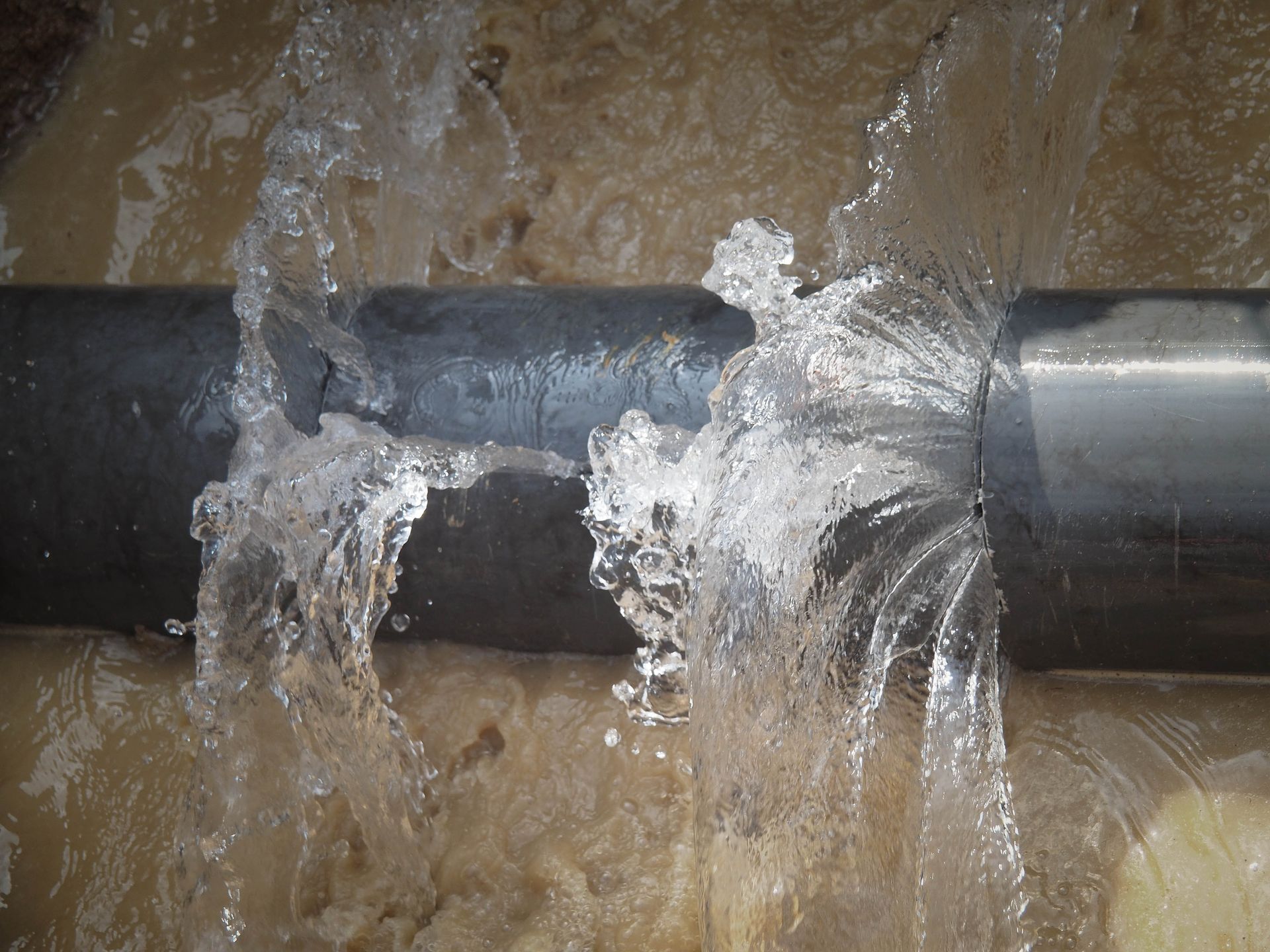
Understanding the difference between minor and major water heater issues is pivotal for timely intervention, averting larger complications. Minor issues like temperature fluctuations or occasional discoloration may require basic part replacements or adjustments, while severe leaks or complete failure of heating elements signal significant concerns. Identifying early signs drastically reduces costs by addressing issues prior to escalation. For issues potentially compromising safety, immediate professional help is vital.
Professionals are equipped to distinguish between problems that necessitate minor fixes and those indicating imminent replacements. Tasks requiring specialized tools or expertise go beyond typical DIY repairs, where professional intervention becomes indispensable. Misdiagnosis or incorrect repair efforts can exacerbate problems, leading to more extensive damage and costs. The aid of experienced technicians ensures precise diagnosis and effective resolution strategies.
Seeking professional advice when uncertain ensures that minor issues do not evolve into urgent emergencies. Understanding the scope and severity of existing issues empowers informed decisions centered around maintenance or replacement. By leveraging professional expertise at the first signs of trouble, homeowners safeguard their appliances and prevent undue strain or expenses. Vigilance against potential threats is essential, making professional consultations invaluable for maintaining household efficiency.
3.2 Risks of DIY Repairs
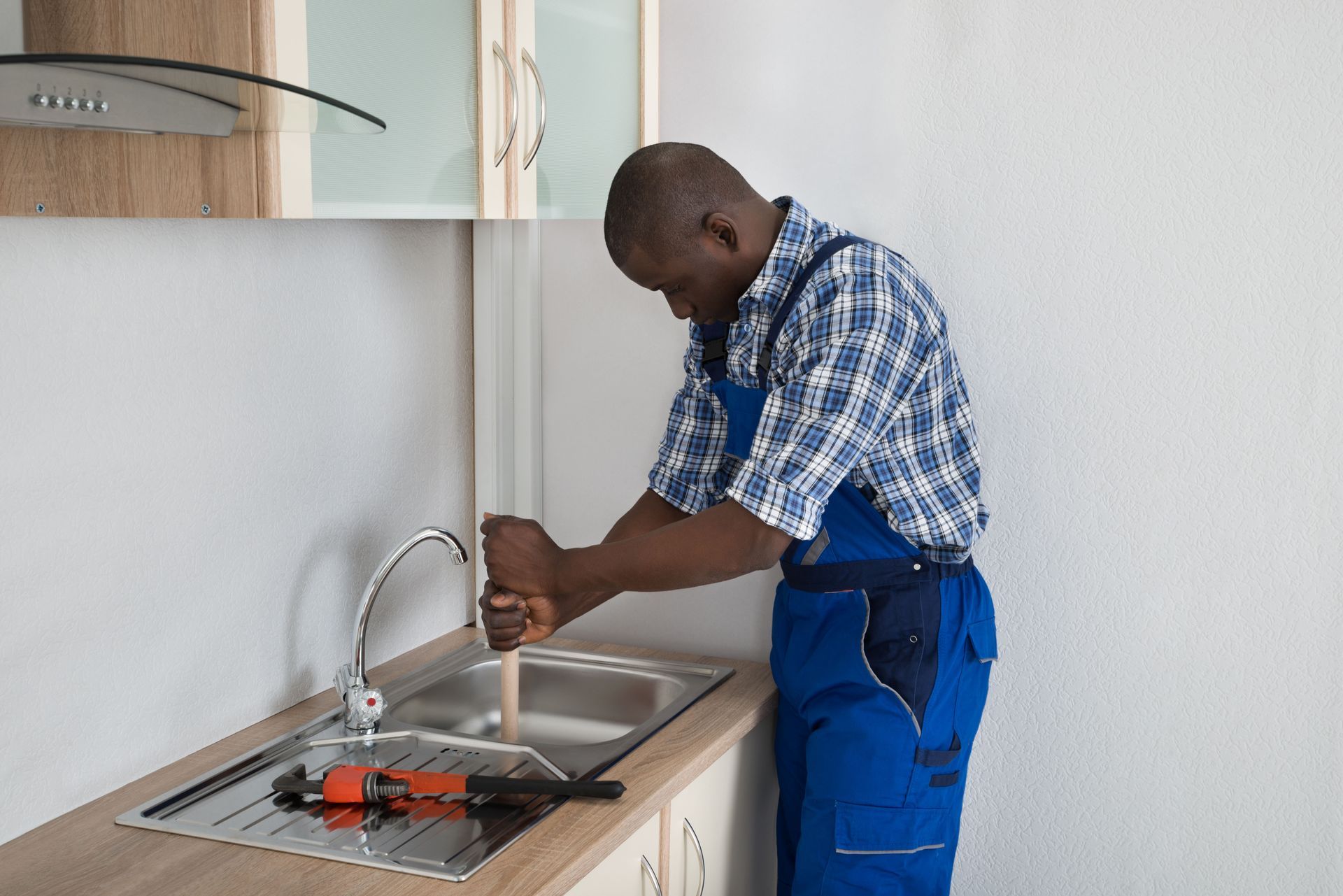
Attempting DIY repairs on water heaters poses substantial risks, both to the appliance and homeowner safety. Handling electrical components or gas lines without proper experience can result in dangerous situations like electric shocks, gas leaks, or explosions. Without the correct tools or knowledge, simple mistakes can jeopardize the entire water heater system, leading to further damages. Thus, involving a licensed professional in necessary repairs is advisable for safe and efficient problem resolution.
Beyond personal danger, DIY repairs can invalidate product warranties, requiring full payment for damages or professional services post-repair. Hiring certified professionals ensures warranty terms remain valid and that workmanship is backed by expertise assurances. Trust in professionals assures quality and compliance with safety codes that uphold system integrity and reliable performance continuity. Consequently, relying solely on specialized knowledge minimizes harm and maximizes appliance health and safety.
Despite the appeal of reducing costs through DIY repair attempts, lacking comprehensive understanding poses avoidable threats. Ensuring that only qualified personnel handle intricate repair needs protects not only appliance integrity but also safety and finances overall. DIY enthusiasts should prioritize consulting professionals for evaluations and services corresponding to water heater replacements or repairs. This cautious approach minimizes potential for errors and extends the unit's lifespan.
Water heater replacements are very important in order to ensure consistent performance of your home's systems and avoid sudden failures. Reach out to Drain Doctor today to see how we can help you!