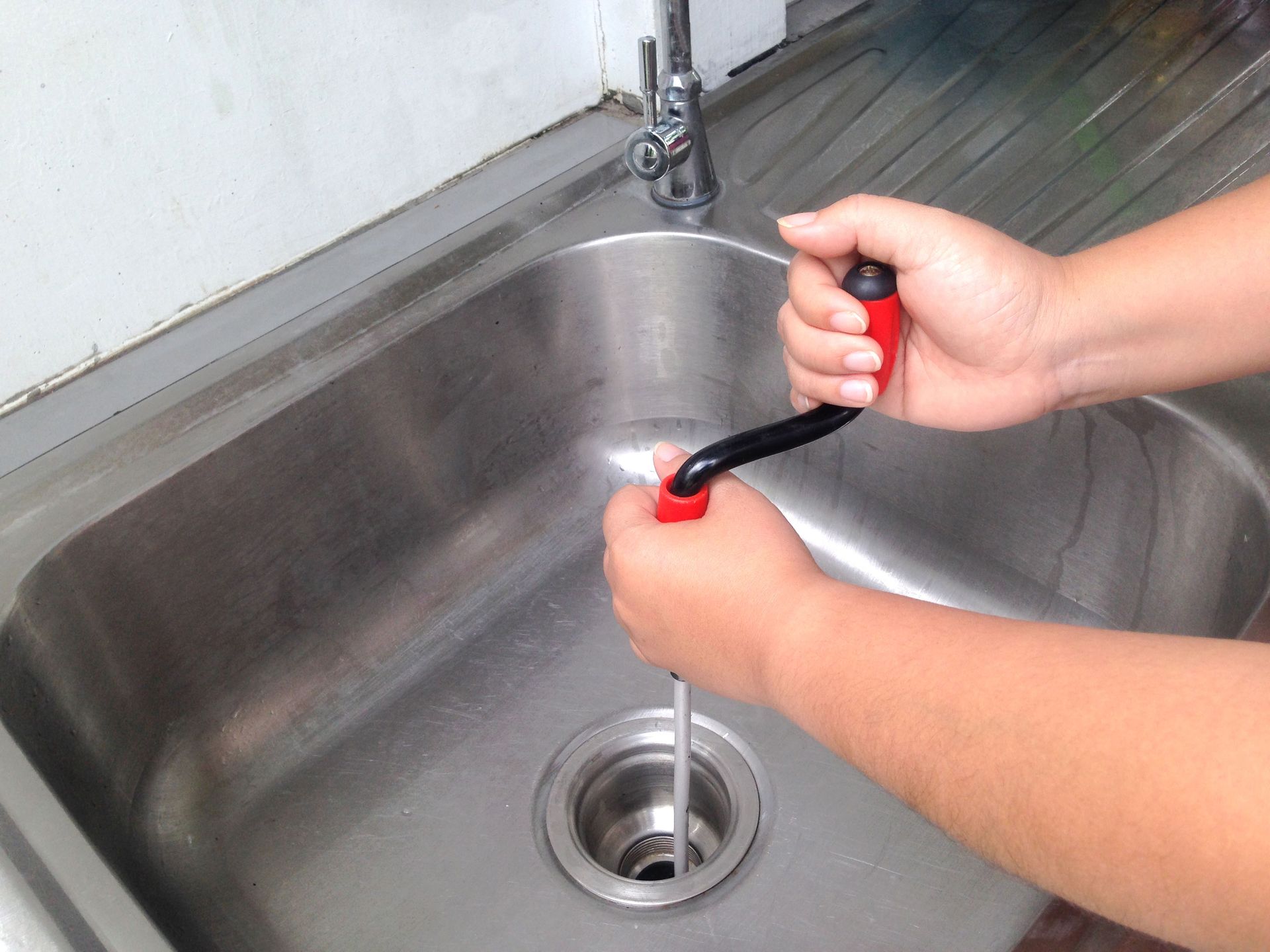
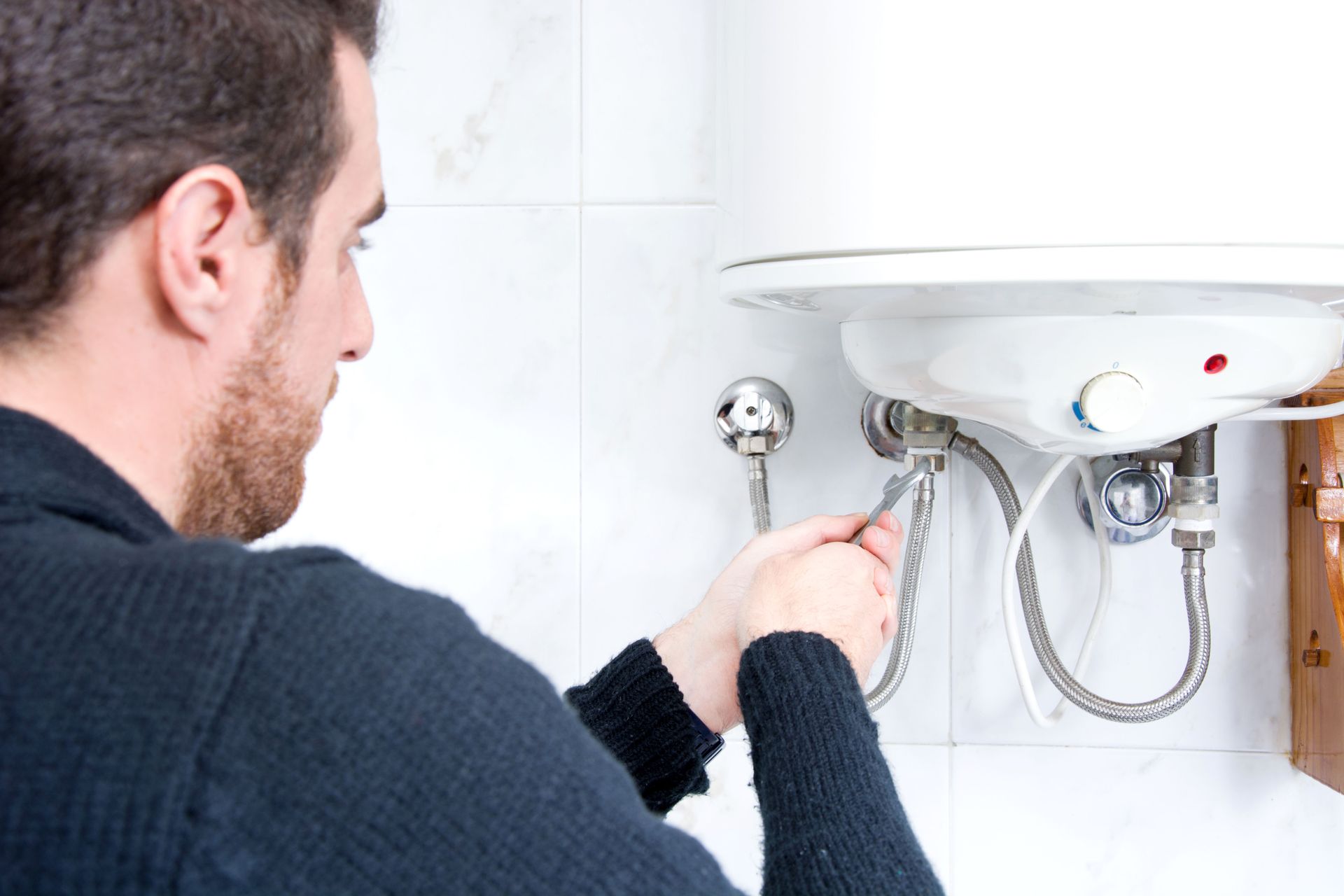
Plumbing emergencies can develop without warning, leaving homeowners facing water damage and unexpected repair expenses. While some problems begin with minor symptoms, others require immediate professional attention. Recognizing these warning signs can help you determine when to contact a qualified plumber. At Drain Doctor, we understand how stressful plumbing problems can be. Our team provides professional plumbing services to address leaks, drainage problems, water heater failures, and other urgent concerns. Persistent Leaks and Unexpected Water Damage Recognizing Water Stains on Walls and Ceilings Water stains are among the most noticeable signs of a hidden plumbing leak. Brown or yellow discoloration on ceilings, walls, or flooring may indicate moisture accumulating behind surfaces. These stains can expand as leaks continue, potentially damaging drywall, insulation, and structural materials. Our team can assess moisture patterns and identify whether plumbing components are contributing to the problem. Professional leak detection helps locate concealed issues. Identifying Unexpected Increases in Water Bills An unexplained increase in your water bill may indicate water escaping from your plumbing system. Even a small leak can waste water over time, increasing household expenses. According to Forbes, emergency plumbing can cost two or three times more than a normal plumbing job. This highlights the value of scheduling professional inspections before minor problems become urgent. If your water consumption has remained consistent but your bills continue increasing, our plumbing services can help identify leaks and determine appropriate repairs. Detecting Unusual Dripping and Moisture Persistent dripping sounds when fixtures are turned off may suggest water escaping from concealed pipes. Unexplained dampness beneath sinks, around toilets, or near appliances can indicate deteriorating connections or damaged supply lines. Standing water requires attention because prolonged moisture exposure can damage flooring and encourage mold growth. At Drain Doctor, we recommend professional evaluation whenever unexplained moisture continues or reappears. Sudden Drops in Household Water Pressure Recognizing Changes in Water Flow Reduced water pressure can interfere with showering, washing dishes, and other household activities. Although pressure fluctuations sometimes originate from municipal supply systems, persistent changes may indicate plumbing problems. Low pressure affecting several fixtures deserves particular attention. Our technicians can determine whether restricted pipes, damaged valves, or hidden leaks are responsible. Identifying Potential Pipe and Valve Problems Corrosion, mineral deposits, and deteriorating plumbing components can restrict water movement. Damaged valves may also prevent consistent flow throughout the home. These conditions can worsen when left unresolved. Professional plumbing services allow our team to evaluate affected components and recommend appropriate repairs. Addressing Widespread Pressure Loss When water pressure drops throughout the property, the cause may involve the main supply line or an issue affecting the surrounding neighborhood. A professional assessment can distinguish property problems from municipal water supply concerns. If pressure loss occurs alongside flooding or unusual moisture, contact Drain Doctor promptly. Blocked Drains and Sewage Backups Recognizing Slow Drains and Gurgling Sounds Slow-draining sinks, bathtubs, and showers can indicate developing obstructions. Gurgling noises may occur when trapped air moves through restricted drainage pipes. Although one slow fixture might indicate a localized blockage, multiple affected drains can suggest a deeper problem. Our team uses professional equipment to evaluate obstructions and determine solutions. Identifying Recurring Toilet Blockages Frequent toilet clogs may indicate more than an isolated fixture problem. Obstructions within drain lines, damaged piping, or improper waste movement can contribute to repeated backups. Recurring problems deserve professional attention rather than temporary fixes. Our plumbing services focus on identifying underlying causes to reduce future disruptions. Responding to Sewage Backups Sewage entering a bathtub, shower, or floor drain is an urgent concern. Wastewater can contain harmful microorganisms and contaminate surrounding surfaces, creating sanitation hazards. Avoid contact with wastewater and keep children and pets away from affected areas. Contact a professional plumber promptly. At Drain Doctor, we understand the importance of addressing sewage backups before contamination spreads. Water Heater Failures and Temperature Problems Recognizing a Complete Loss of Hot Water Losing hot water can disrupt bathing, cleaning, and other household activities. Water heater failures may result from damaged heating components, faulty controls, or equipment deterioration. A complete loss of hot water warrants professional evaluation. Our team can assess the equipment and explain whether repair or replacement is appropriate. Identifying Leaks Around the Water Heater Water collecting beneath a water heater may indicate a leaking connection, faulty component, or deteriorating tank. Continued leakage can damage nearby flooring and surrounding materials. Professional plumbing services can determine the source of the leak and whether the equipment can be repaired safely. Leaks accompanied by unusual sounds or excessive heat should receive prompt attention. Detecting Unusual Noises and Temperature Fluctuations Popping, rumbling, or banging noises may indicate sediment accumulation or other internal water heater concerns. Inconsistent temperatures can result from worn components or malfunctioning controls. These symptoms do not always mean replacement is necessary. Our technicians can evaluate the equipment and recommend maintenance or repairs. Burst Pipes and Indoor Flooding Recognizing Signs of a Burst Pipe Burst pipes can release substantial amounts of water within a short period, damaging flooring, furniture, insulation, and walls. Warning signs include sudden flooding, unexplained water sounds, significant pressure loss, or water appearing near concealed plumbing lines. Pipe failures can result from corrosion, aging materials, freezing temperatures, or excessive pressure. Regardless of the cause, professional assistance is important. Limiting Damage While Awaiting Assistance If a pipe bursts, shutting off the main water supply, when safely accessible, can limit additional flooding. Avoid areas where standing water may contact electrical equipment or outlets. Keep household members away from hazardous areas and contact a qualified plumber. These safety precautions are not substitutes for professional repairs. Drain Doctor provides plumbing services to evaluate damaged piping, identify water loss, and recommend corrective work. Preventing Future Pipe Failures After an emergency repair, evaluating nearby plumbing components may reveal additional concerns. Aging pipes, deteriorating connections, and recurring pressure problems can increase the likelihood of future failures. Professional inspections help homeowners understand their plumbing system's condition and plan necessary improvements. Unusual Water Odors and Discoloration Recognizing Changes in Water Appearance Water that suddenly appears brown, yellow, or cloudy may indicate sediment, corrosion, or disturbances within the water supply. Discoloration can originate from household plumbing or municipal distribution systems. Persistent changes deserve professional evaluation, especially when several fixtures are affected. Our team can determine whether deteriorating pipes or other plumbing concerns require attention. Identifying Unpleasant Water Odors Unexpected odors may result from water supply conditions, plumbing materials, or drainage problems. A musty smell near a fixture can indicate moisture accumulating nearby. Because odors have different causes, accurate diagnosis matters. Homeowners should avoid assuming filtration products or household cleaning treatments will resolve the problem. Addressing Potential Water Quality Concerns Unexplained changes in water color, smell, or taste should not be ignored. Until the cause is established and the water is confirmed safe, avoid using suspicious water for drinking or food preparation. Water testing or consultation with the local water utility may be appropriate. At Drain Doctor, we can evaluate plumbing concerns and recommend repairs when damaged components contribute to water quality problems. Protect Your Home With Professional Plumbing Assistance Recognizing plumbing warning signs early can help homeowners avoid damage, unexpected expenses, and disruptions. Persistent leaks, declining water pressure, sewage backups, water heater problems, burst pipes, and unusual water conditions deserve attention. At Drain Doctor, we believe dependable plumbing starts with accurate assessments and professional solutions. Whether you are dealing with an urgent concern or recurring problems, our team can help you understand your options. Contact Drain Doctor today to learn more about our plumbing services and schedule a professional evaluation before a manageable problem becomes a larger emergency.
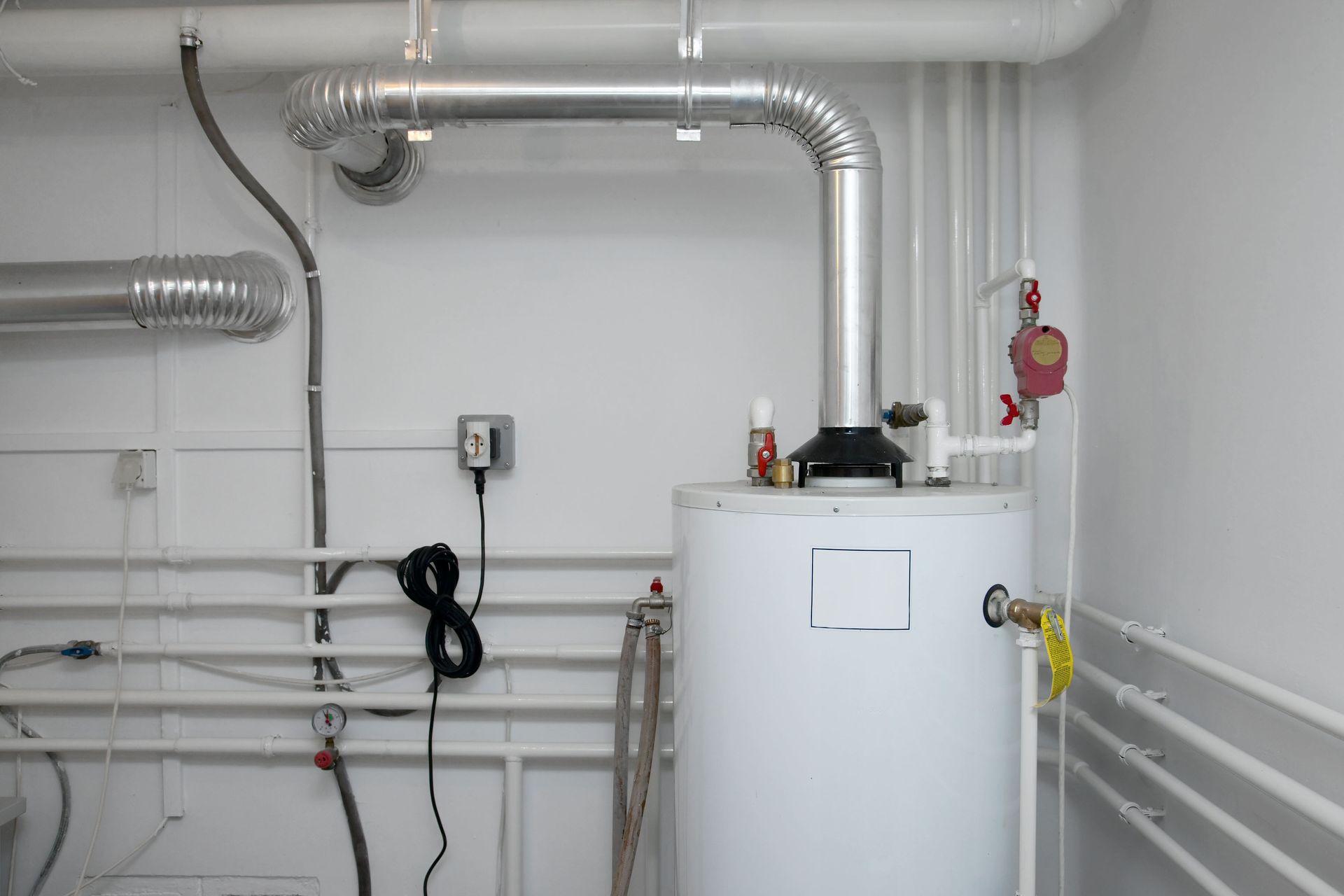
Discover 6 warning signs your unit may be failing and learn when water heater replacement is necessary to restore reliable hot water and prevent costly damage.
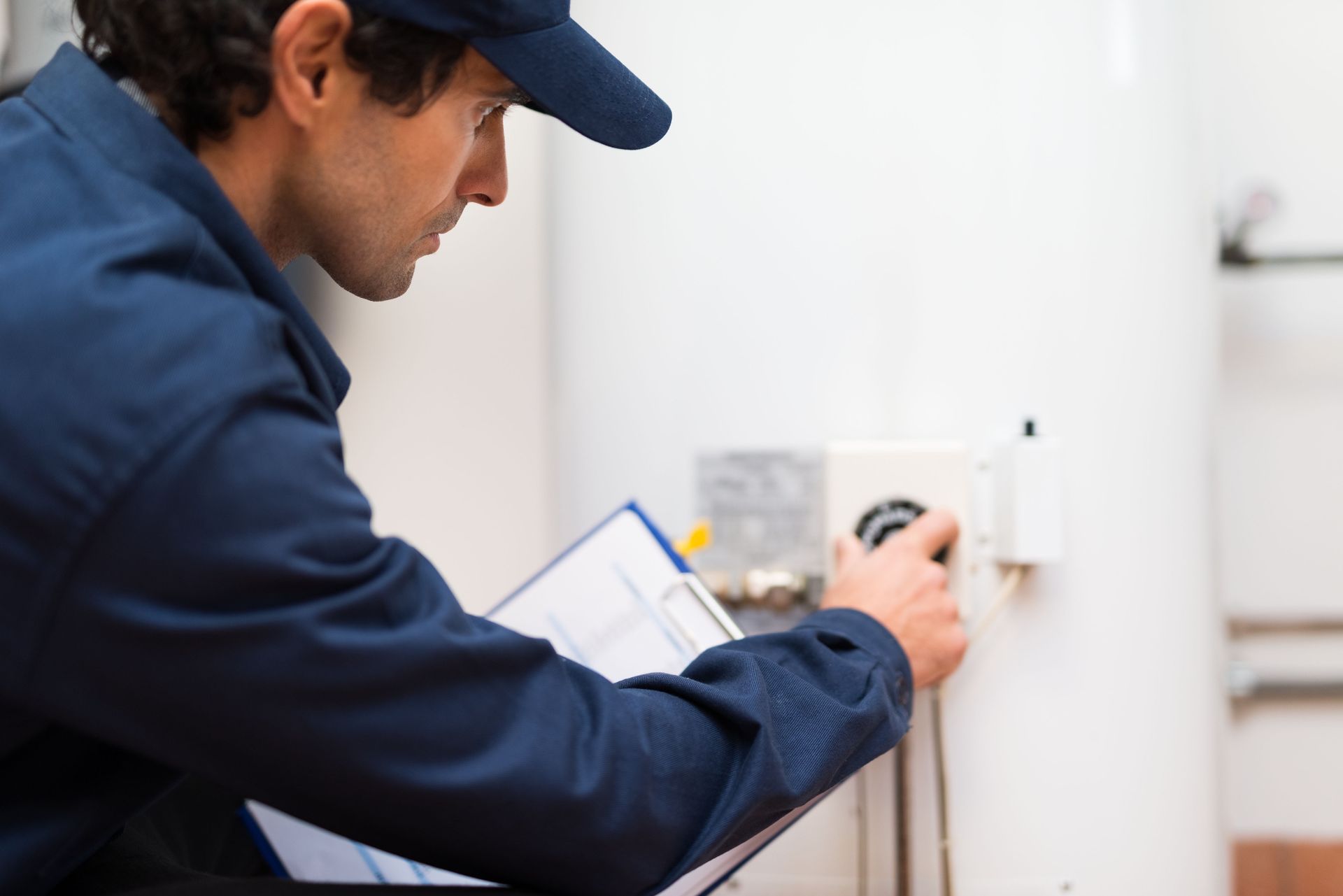
Consulting a trusted local plumbing contractor can provide invaluable guidance when evaluating your property's plumbing infrastructure and hot water demands.